
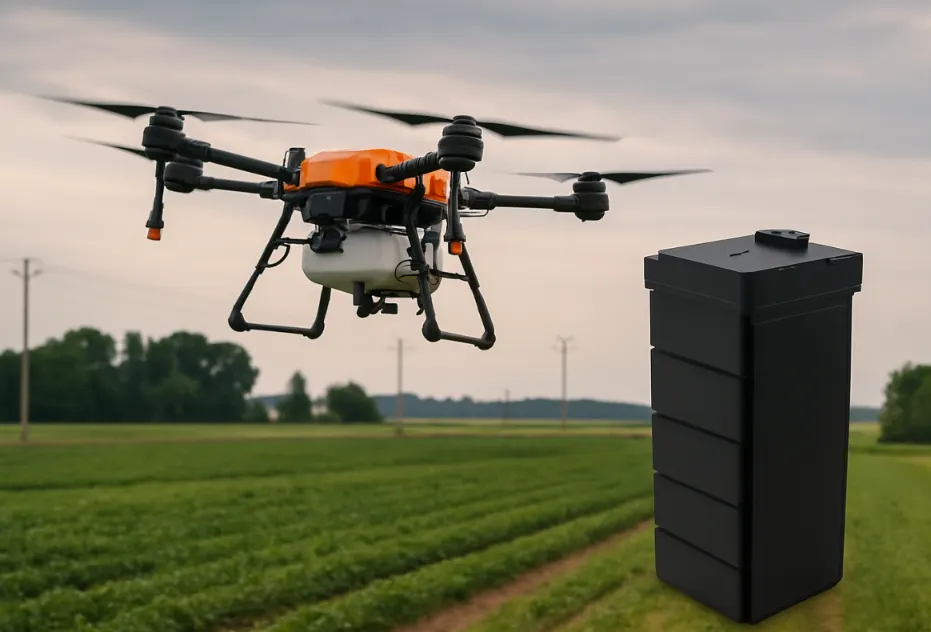
Hi there, if you fly a drone often, you probably know this feeling very well. You take off with a full battery, the sky looks great, the video is smooth, and then the low-voltage warning shows up much earlier than you hoped. Short flights are one of the most common headaches for drone users. In many cases nothing on the drone is broken. The real problem is how much power the motors, electronics, and payload pull from a small pack in a hard environment.
If you want more time in the air, you need to look at two simple things. First, what is slowly killing your drone battery life during real flights. Second, how a well chosen high-capacity battery can give you more safe, useful minutes without making the drone heavy or risky to fly.
Introduction: Why Drone Flight Time Feels So Short
Most drones on the market show flight times that come from calm test rooms. Real life is not like that. You carry a camera, you fight wind, you climb fast over trees and buildings. All of this makes the pack work harder than the number on the box suggests. Battery guides often say that strong power draw, bad weather and extra weight all eat into the time a multirotor can stay in the air.
The good part is this. Once you see what your flights are doing to the pack, you can decide if small changes are enough or if you really need a bigger energy source.
Why Do Drone Batteries Drain So Fast?
A drone is basically a flying frame full of motors, electronics and sensors powered by a compact lithium pack. Every gram you add and every move in the sky changes how fast those cells empty.
High Power Draw From Motors
Multirotor drones stay up by spinning the motors all the time. When you push the throttle, climb hard or fight gusts, current jumps and voltage drops. Technical notes on UAV packs say that capacity, discharge rate and motor efficiency work together to set realistic flight time, not just the label on the pack.
Weather and Temperature Effects
Cold air makes lithium cells less active, so you get less power from the same battery. Wind forces the motors to work harder just to hold position. High heat is not kind either. It speeds up reactions inside the cell and can shorten both endurance and total cycle life.
Payload and Extra Gear
Every extra item you hang under the drone, like a heavier camera, gimbal or sensor, needs more lift. Tests on multirotor systems show that heavier payloads cut flight time in a clear and steady way, because the motors must pull more current to stay up. If your build has grown from simple to fully loaded, the old pack may just be too small.
Battery Age and Cycle Fatigue
Lithium packs get tired with use. Capacity drops, internal resistance climbs, and voltage falls faster when you draw power. The drone then hits low-voltage limits much earlier, even if the pack still looks fine on the shelf. Guides on UAV power stress that extreme heat, cold and very deep discharges speed up this aging.
What Are The Limits Of Standard Drone Packs?
The pack that comes with a drone is usually chosen as a balance of cost, weight and nice looking numbers in the brochure. It is often not built for long work days, very heavy payloads or rough field use.
Small Capacity and Narrow Margins
Standard packs leave little spare room. Once you add gear or fly in bad weather, those extra minutes vanish quickly. Makers themselves note that heavier UAVs tend to see their packs empty faster as flying time drops with mass and load.
Not Built for Long-Shift or Harsh Environments
For inspection work, mapping or farm flights, you may need many trips in one day. Packs sized for casual weekend flying often struggle with that pattern, especially in very cold or very hot places.
How Can A High-Capacity Pack Help?
When lighter payloads and better habits no longer help much, the next clear step is more stored energy in a similar shape and voltage range. That is where a strong high energy pack can change the picture.
More Energy in the Same Voltage Class
A good high energy UAV pack keeps the same nominal voltage but holds more amp-hours. Studies on drone power systems show that higher capacity, matched with the right discharge rating, gives longer flights and more stable voltage under load. In practice, you see fewer early return-to-home warnings and more time to finish a route.
Better Support for Heavy Loads
High energy density cells can feed motors and payloads with less voltage sag. That means you can carry cameras, mapping gear or farm sprayers and still keep a solid drone battery life for work flights.
Longer Service Life
Packs built from good cells with sound thermal and circuit design usually keep useful capacity for more cycles. Newer solid and semi-solid lithium systems aim to mix high energy density with long life, often in the hundreds of cycles. Over months of flying, that means less downtime and fewer replacements.
How Do You Choose The Right Pack For Your Drone?
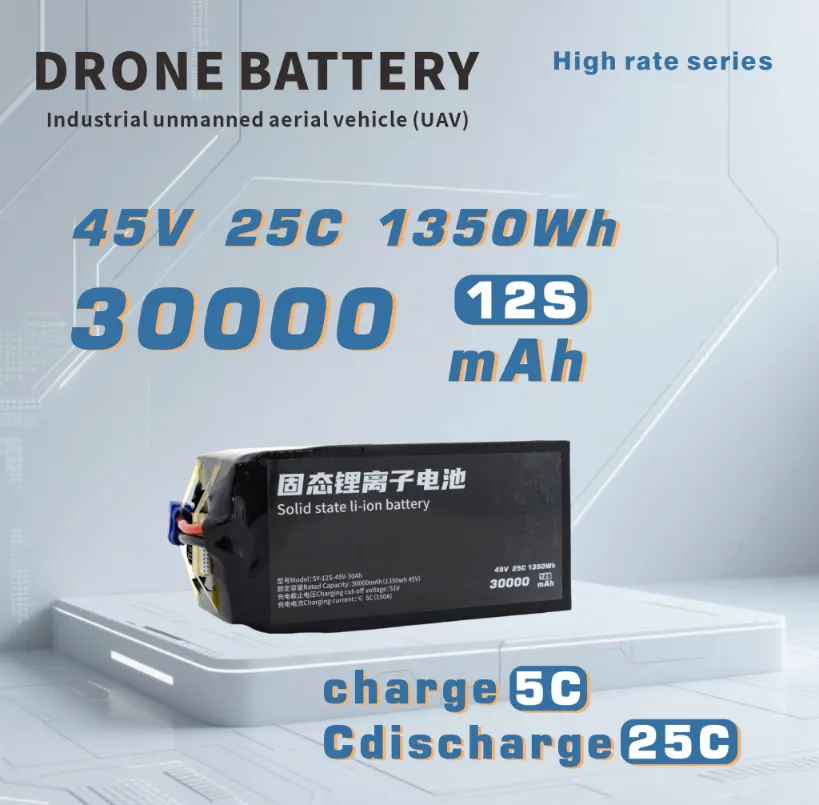
The best pack for you is not always the biggest one you can mount. It has to match voltage, current needs and the way you fly. UAV battery guides suggest checking S count, capacity and discharge rate, then comparing that with total weight and your usual mission profile.
First, match nominal voltage and connector type. Next, make sure the continuous discharge rating is above your normal current draw with some spare for climbs and wind. Then pick a capacity that gives extra minutes without making the drone so heavy that you lose those minutes again.
When Does Upgrading Your Battery Make Sense?
If you keep landing with almost no reserve, or your routes are often cut short by wind, cold or payload, it may be time to move up. A well chosen high capacity pack is very helpful for inspection lines, mapping, farm tasks and emergency jobs where each extra minute in the air counts.
For many pilots the choice point is easy to spot. When swapping packs every few minutes slows down the whole day, boosting drone battery life with a better pack often brings more value than small tweaks in settings.
SHENGYA Drone Power Solutions For Demanding Missions
Taixing Shengya Electronic Technology Co., Ltd (SHENGYA) focuses on semi-solid and solid-state lithium-ion soft pack cells and finished packs with high energy density and long cycle life. The company, founded in 2017 in Taixing, Jiangsu, supplies high energy, high safety batteries for users who need stable power in tough work conditions.
SHENGYA provides UAV battery packs in 6S, 7S, 12S and other setups for drones and related platforms. Its high energy 6S packs in the 31Ah class are made for farm work and professional UAV jobs, where long range and strong discharge performance must sit in one unit. If you want a practical way to support longer flights and heavier gear, a SHENGYA pack built as a true high energy solution can be part of that upgrade path.
FAQ
Q1: Why does my drone battery drop from 30% to critical so quickly?
A: That jump often comes from voltage sag under load. As packs age or face strong current draw in cold or windy weather, voltage can fall much faster near the end of the flight.
Q2: Is it better to buy several small packs or one larger high-capacity pack?
A: It depends on your work. Several small packs give more flexibility, but a larger pack can cut the number of landings and takeoffs on long routes. Many pro users use a mix of both.
Q3: How much can weather really change drone battery life?
A: Quite a lot. Cold lowers cell activity and wind makes motors work harder, so flight time can drop far below the number you saw in the brochure. Planning around temperature and wind helps a lot.
Q4: Does adding a camera or sensor always cut flight time?
A: Yes. Extra payload always needs more thrust, so it pulls more current from the pack. The heavier the gear, the stronger the effect, especially on smaller drones.
Q5: When should you retire an old drone battery?
A: If you see swelling, big loss of capacity, or many low-voltage warnings even with calm flying, it is time to move that pack out of important flights and replace it with a healthier one.


