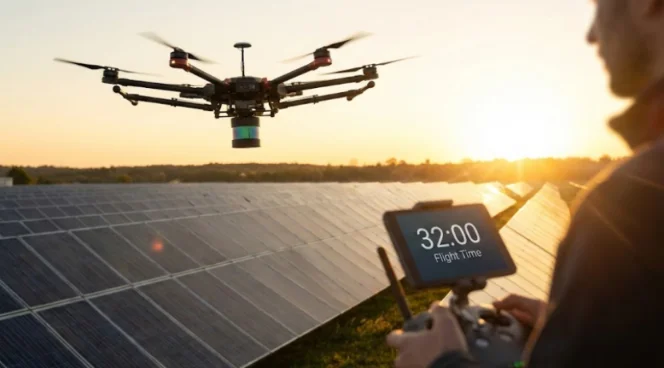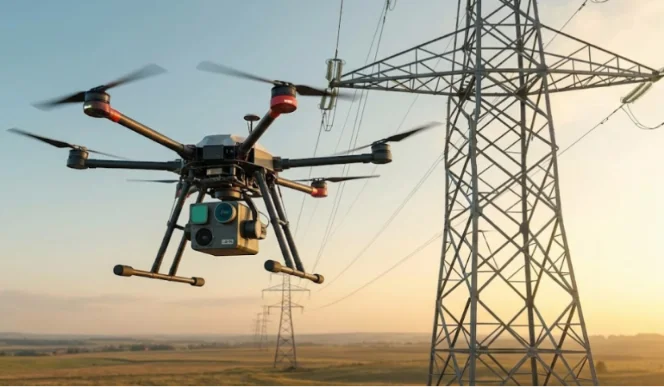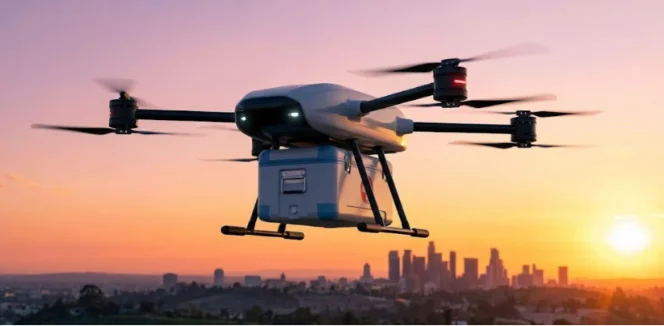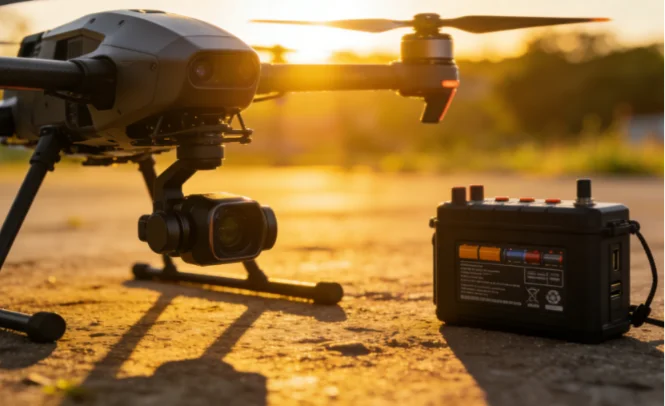
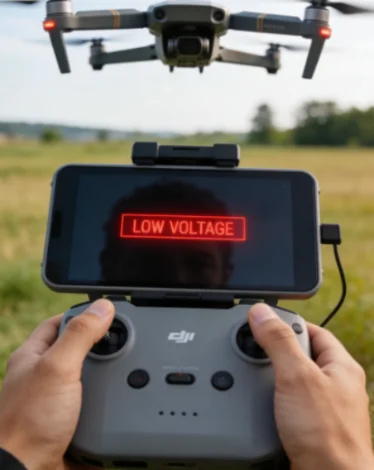
Aerial photography flights are rarely “smooth power only.” You punch out on takeoff, fight a gust to hold a line, then hear the worst sound: a low-voltage warning right when the shot is finally steady. That’s why drone battery C rating matters more than people expect, and why a 25C drone battery can feel like a different machine in the air.
If you want a quick way to compare packs by series, Shengya Electronic keeps its UAV battery lineup organized by energy density and use-case rather than vague marketing names. On the products page, you can see a High Rate Series that goes up to 25C for instant output, plus high energy density series that scale up through 275Wh/kg, 310Wh/kg, 330Wh/kg, 340Wh/kg, and 350Wh/kg with multiple voltage options (like 6S, 12S, 14S, and more) depending on the model. It’s the kind of catalog that helps when you’re picking batteries for a payload and a mission, not just buying “the biggest mAh.”
What Does Drone Battery C Rating Really Mean for Camera Drones?
C rating is easiest to think of as “how hard the battery can push” without the voltage falling on its face. For camera drones, that push shows up in short bursts: takeoff, wind correction, emergency climb, and any moment you need extra thrust to protect your payload and your shot. The tricky part is that your flight controller does not care why the voltage dropped. It just reacts.
C Rating in Plain Terms
Your pack’s C rating links to how much current it can deliver relative to capacity. In real flying, higher C rating usually means less voltage sag under sudden load. That translates into fewer false-looking low-voltage alarms when your battery still has capacity left but can’t supply peak current cleanly.
Why Voltage Sag Triggers Mid-Mission Warnings
That “beep at 60%” often happens when load spikes, not when the battery is truly empty. You see it most during takeoff and gusty hovering. It’s frustrating because it interrupts a mission that looked fine on paper.
Why Do Camera Drones Need Burst Power?
A camera drone isn’t a toy that sprints and lands. It’s a flying tripod with extra electronics: gimbal motors, video transmission, sometimes mapping gear. Even if the cruise current is modest, the peaks are not. And peaks are where weak packs get exposed.
Takeoff Spike: The First 10 Seconds Problem
Takeoff is a rude moment for batteries. Prop load ramps up fast, especially on heavier rigs. If your pack sags hard right there, your flight controller may cut your confidence early, and your mission starts with a warning.
Wind Resistance: Power Demand Isn’t Smooth
Wind turns stable hovering into constant micro-corrections. Those repeated bursts can make a low-rate pack feel “soft.” The drone still flies, but it feels like it can’t hold position the way you want, and voltage warnings creep in sooner.
Payload Stability: Gimbal and Camera Don’t Like Voltage Drop
Even when the aircraft stays in the air, voltage dips can add stress to everything attached to it. A shaky supply is not what you want when you’re trying to keep footage clean and predictable.
25C High-Rate vs High-Energy Packs: What Are You Trading Off?
This is the core decision. High-rate packs are built to deliver stronger instant output. High-energy packs are built to carry more energy per kilogram. If you pick the wrong one, you can end up with a battery that looks great on a spec sheet but feels wrong in flight.
When a 25C Drone Battery Makes Sense
Choose high-rate when your main problem is performance under load: voltage sag on takeoff, fighting wind, heavy payload climbs, and “surprise” low-voltage alarms mid-mission. Shengya Electronic describes its High Rate Series as “25C max” with strong instant power output aimed at power drones and similar high-demand use.
When High-Energy (275–350Wh/kg) Packs Make Sense
Choose high-energy when your main problem is endurance and weight efficiency: longer mapping lines, slower cinematic routes, fewer aggressive throttle changes. Shengya Electronic lists multiple high energy density series (275Wh/kg through 350Wh/kg) with many voltage and capacity combinations, which is useful when you’re trying to keep the same airframe but extend mission time.
How Do You Choose Based on Your Flight Profile?
Forget the perfect “one best battery.” Your best battery depends on how you fly. The cleanest way to decide is to look at when the warning happens and what the drone is doing at that exact moment. Not what the battery meter says later.
Quick Self-Test: Sag or Real Low Battery?
If warnings appear during takeoff, wind hits, or fast climbs, then disappear when you reduce throttle, you’re likely seeing voltage sag. If warnings build gradually and stay on near the end of the flight, that’s more like normal depletion. This one observation saves a lot of money.
Match Battery Type to Mission Type
If you do heavy-lift aerial photography, urban wind corridors, or frequent takeoffs and landings, high-rate usually feels safer and calmer. If you do long, steady mapping lines where throttle changes are gentle, high energy density packs can pay off more.
What Specs Matter More Than C Rating?
C rating is important, but it’s not the only lever. Two batteries can share a similar headline C number and still behave differently in the air. Real-world stability comes from a mix of design choices.
Internal Resistance and Voltage Stability
Lower internal resistance usually means less voltage drop when current jumps. That’s why “instant power output” claims matter for heavy rigs. Shengya Electronic positions high-rate output and long endurance as different series goals, which is a helpful way to think about it when you’re choosing for a specific mission.
Voltage System and Pack Options
Higher-voltage configurations can reduce current draw for the same power. Shengya Electronic’s product list shows packs offered across multiple S options (including 6S, 12S, 14S, and others depending on the series), which gives you room to align battery choice with your propulsion and payload needs.
Buying Checklist: 190Wh/kg 25C or 275–350Wh/kg?
Here’s the simple call that matches the pain points you actually feel in flight.
Choose 190Wh/kg 25C High-Rate If…
You keep seeing takeoff voltage sag, you fly in wind often, your rig is heavy for its frame size, or your low-voltage warning interrupts shots while the pack still has capacity. A 25C drone battery is built for that “instant demand” moment.
Choose High-Energy (275/310/330/340/350Wh/kg) If…
Your flights are steady, you want more minutes per kilogram, and your warnings show up near the real end of the pack. Shengya Electronic lists these higher energy density series explicitly, which makes it easier to compare by category instead of guessing.
FAQ
Q1: What Does Drone Battery C Rating Tell You for Aerial Photography?
A: drone battery C rating is a practical clue about how well your pack can handle burst power without voltage sag during takeoff, wind correction, and heavy-load climbs.
Q2: When Should You Choose a 25C Drone Battery?
A: Choose a 25C drone battery when you get sudden low-voltage warnings during high-throttle moments, or when wind and payload pushes cause noticeable sag.
Q3: Do High-Energy Packs Always Give Longer Flight Time?
A: Often, yes, especially in steady missions. But if your mission has frequent bursts, voltage sag can force early warnings and shorten usable time even when capacity remains.
Q4: Why Do Voltage Alarms Happen Right After Takeoff?
A: Takeoff creates a current spike. If your pack sags under that load, voltage can dip below alarm thresholds even when the battery is not truly empty.
Q5: What Should You Compare Besides C Rating?
A: Look at energy density (Wh/kg), pack voltage options (like 6S, 12S, 14S availability), and whether the series is built for high-rate output or long endurance.