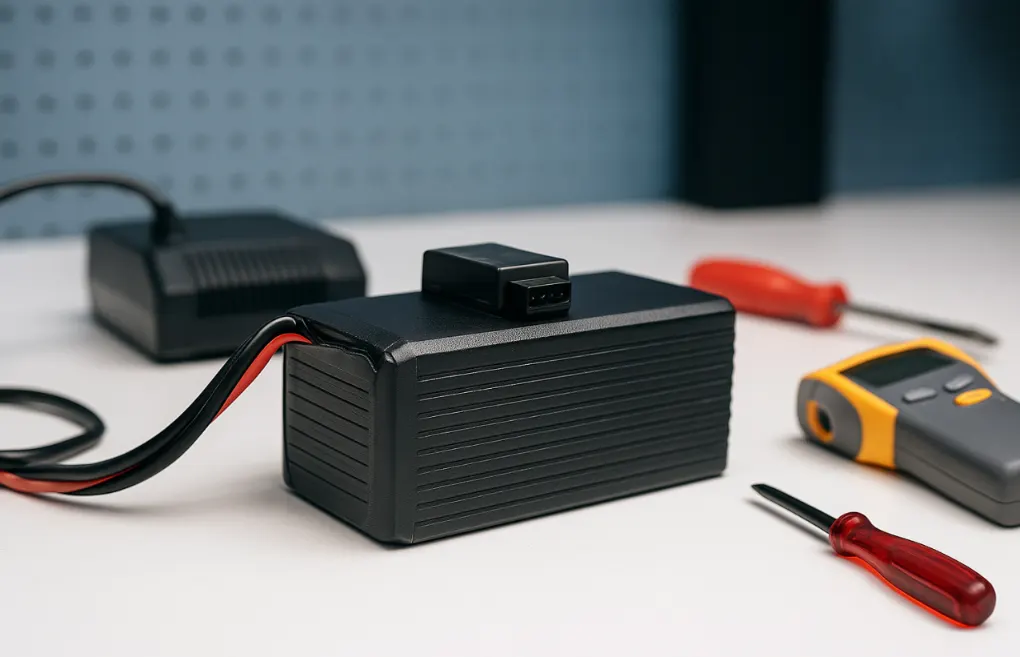
If you fly drones a lot, you already know this problem. One day the pack feels strong, the next week flight time drops and warnings come early. Many pilots blame the drone right away, but most of the time the real issue is how the pack is treated before, during, and after each flight. Good care is less exciting than new gear, yet it is one of the easiest ways to stretch your drone battery life.
Lithium batteries are tough in some ways but sensitive in others. Temperature, charge level, and storage can all speed up aging if you ignore them. Guides on drone power point out that heat, deep discharge, and bad storage habits shorten life and reduce performance. With a few simple habits, you can slow that damage and make every pack last longer.
Introduction: Why Proper Maintenance Is Key to Better Drone Battery Life
Fresh packs cost a lot. And swapping them much hurts both fun flyers and job users. The bright side is that right care does not need fancy gear. You just want a plain plan for filling, flying, and keeping. Battery care books for drones say that good handling can hold packs fit for lots of rounds. Instead of tiring them out quick.
When you see care as part of each flight, not an added job, you gain steadier work. And fewer shocks in the sky. That is the main aim.
How Batteries Age and What Causes Short Battery Life
Drone packs are mostly lithium-ion or LiPo. They grow old a bit with each fill and empty. The speed of growing old hangs on how tough you push them. And how you hold them between flights.
High Discharge Rates and Load Stress
Big power pull heats the cells. And it strains the mix. This occurs in quick ups, hard wind, or big loads. Tech notes on UAV batteries tell that big empty and heavy pulls lower round life. And hurry up space loss.
Temperature Extremes Impacting Cell Chemistries
Batteries like normal warmth. Checks show that chill days boost inside block. And trim useful space. While heat rushes mix actions. And long hurt. Both ends lead to shorter trips. And quicker tire.
Storage Habits That Accelerate Wear
Leaving packs full or bare for weeks is bad. Drone and LiPo keep books hint to hold packs around 40–60% fill for longer hold. And put them in a chill, dry spot. Wrong keep can do more harm than one tough flight.
Deep Discharges and Frequent Full Charges
Running packs down to near nothing much on a steady basis adds lots of strain. Filling to full and then letting them sit like that for days is also bad. Battery schools and drone care pieces both say that light rounds and part keep fills are nicer to lithium cells.
What Daily Maintenance Habits Help Extend Drone Battery Life
Day steps are where you can create the largest shift with the least work. A few tiny tweaks in your way, done over time, will give back in extra rounds.
Correct Charging Practices
Grab a filler that fits the pack kind and facts. Let packs chill to room heat before filling. Do not fill in straight sun or a warm car. As high warmth during fill rushes up puff and growing old. Try not to leave packs on the filler all night once they are done.
Optimal Storage State and Environment
If you will not fly for a week or more, bring the pack to keep level. Roughly mid-fill. Rather than full or bare. Hold it in a chill, dry area between about 15–25°C. Away from warmers, windows, or wet cellars. Easy tweaks like this slow mix break. And hold work more steady.
Clean Connectors and Regular Inspection
Grimy or slack links add block. And warmth. Wipe them soft if you spot dust or wet. Before each flying day, check the pack for bumps, breaks, or signs of puff. Drone safe books state that puffed or hurt batteries should be pulled from use right away. To skip safe risks.
Balanced Usage and Rotation of Multiple Packs
If you own many packs, switch them. Instead of always grabbing the same one first. This spreads the round count. And keeps them growing old at a like pace. It seems small. But over a time of year it aids.
Advanced Tips for Professionals and Heavy Use Scenarios
If you fly for jobs, your wants are a tad harder. You may do lots of trips in one day. In hot spots or cold hills. Often with a big load. In that spot, basic care is still key. But you also need a plan for more deep drone battery maintenance. Like noting rounds. And checking work over time.
Firmware and Smart Battery Management Systems
Smart packs and flight bosses can share facts on cell power, warmth, and round count. Keeping setup new and looking at notes helps you find weak packs before they flop on a task.
Safe Transport and Use in Harsh Conditions
Grab fire-block bags or boxes for moving. Especially when you carry lots of packs. Skip leaving them in hot rides or in the sun on a back door. Weather checks show that hard warmth swings harm both work and safe. For both.
Matching Pack Capacity to Mission Profile
Long draw paths, spray trips, or check lines may back stepping up to a high capacity drone battery. Books on farm and work drones note that higher space packs, fit right, give more sky time. And help cut landing rounds across a work day.
Planning Maintenance Cycles and Replacement Timing
For groups, it aids to set rough rules. For example checking space with test trips after a set count of rounds. And pulling packs that drop below a aim run time. This is less fun than getting new drones. But it holds tasks on time.
Troubleshooting Common Battery Problems and When to Replace the Pack
Even with nice care, no pack hangs on forever. Knowing the early alert signs helps you skip trouble in the sky.
Recognising Swelling or Leakage Signs
If a pack looks puffed, smells odd, or drips, it is not safe. Drone and lithium safe books tell to set such packs alone. Empty them safe if you can. And reuse them through right ways.
Capacity Loss and Flight Time Drop
When flight time falls hard across many trips, not just in bad sky, the cells may have lost too much space. Chill or wind can cause short shifts. But long loss points to growing old.
Connector or Charger Faults
If one pack fills slow or shows odd values, check wires, holes, and fillers too. Bad gear around the pack can copy battery troubles. At times the fix is as easy as swapping a worn wire.
When the Pack Has Served Its Useful Life
If you cannot finish usual paths even on warm, still days, and the pack has many rounds behind it, it may be time to pull it. Keeping clearly worn packs in heavy grab often costs more in lost jobs than a fresh one would.
Conclusion: Make Your Battery Work For You, Not Against You
Nice care will not turn a tiny pack into a wonder power spot. But it will help you get nearer to the work you paid for. And hold that work longer. Careful filling, smart keep, steady checks, and the right pack pick for the task all team up. Over time, these steps save cash, cut risk, and make flying less tense.
SHENGYA Drone Power Solutions for Longer Service Life
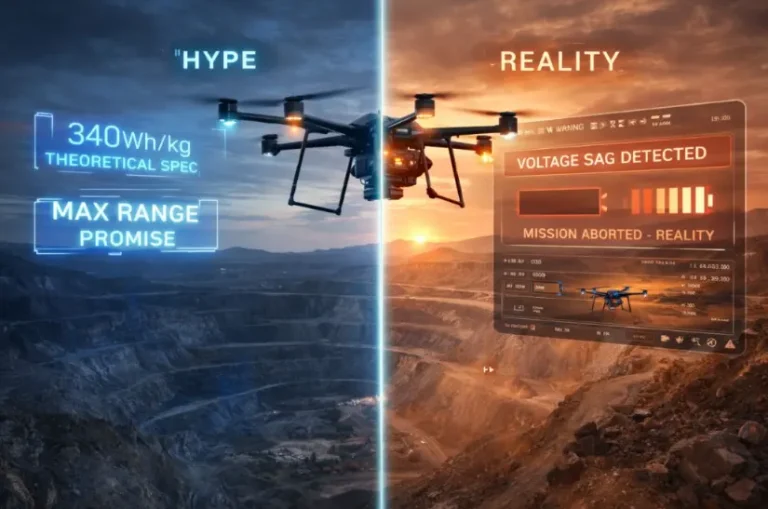
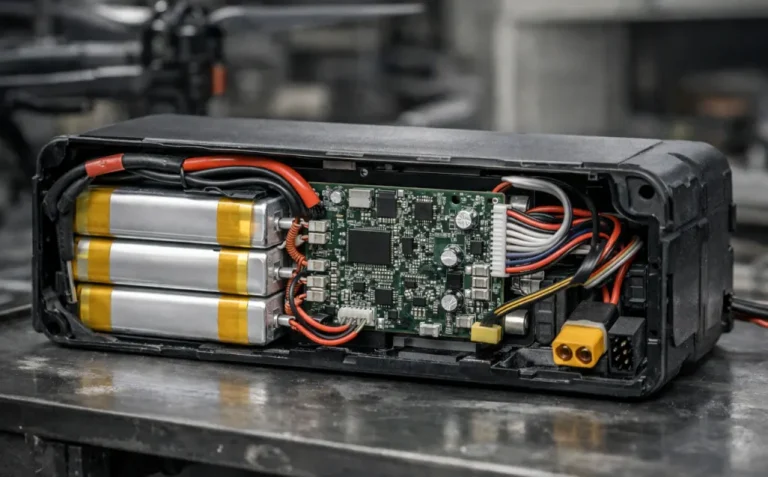
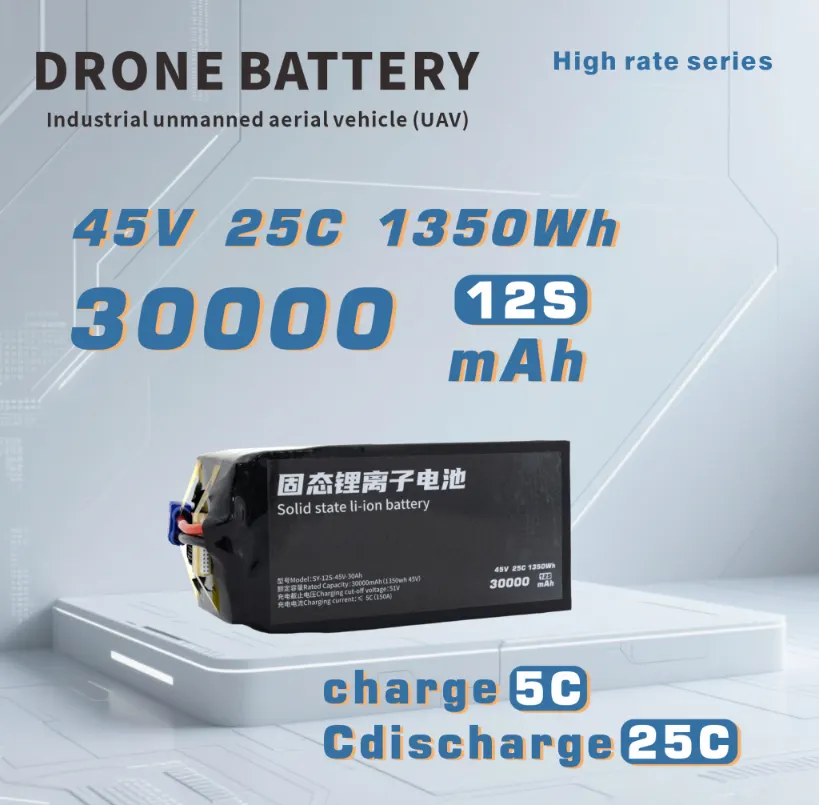
Taixing Shengya Electronic Technology Co., Ltd (SHENGYA) is centered on semi-solid and solid-state lithium-ion soft pack cells and battery packs with high energy density and long cycle life. The company, started in 2017 in Taixing City, Jiangsu, makes packs with energy densities up to 340 Wh/kg and cycle life in the 800–1000 cycle range. Aimed at users who need steady output over many charge and discharge cycles.
SHENGYA gives made packs in a wide range of series. Including 6S and other mixes widely used in UAV and work fields. For drone tasks that ask for both long run time and strong safe work, picking a high energy pack from a maker that centers on solid-state and semi-solid tech can give you a nicer base to build your power setup on.
FAQ
Q1: How often should you charge drone batteries if you do not fly much?
A: It is a nice thought to check them every pair of months. Top them up to a mid-level if they are low, and skip leaving them full or bare for long spans.
Q2: Is it safe to fly in very cold weather with the same settings you use in summer?
A: Chill sky cuts space and raises block, so flight time will drop. You should plan shorter trips and watch power more closely when flying in low warmth.
Q3: Can you store drone batteries in a garage or car trunk?
A: This is often a bad thought. Garages and cars can get very hot or very chill, which hurries up growing old and can cause safety issues. A chill, dry indoor spot is nicer.
Q4: Do you need a special charger for good drone battery maintenance?
A: You need a filler that fits the pack kind and power, and comes from a trusted spot. Traits like balance filling and keep modes make right care much simpler.
Q5: When is it worth buying higher-capacity packs instead of more standard ones?
A: If your tasks ask for longer paths, heavy loads, or fewer lands, then shifting to larger-space packs that fit your drone’s ends can be more useful than just getting more of the same measure.