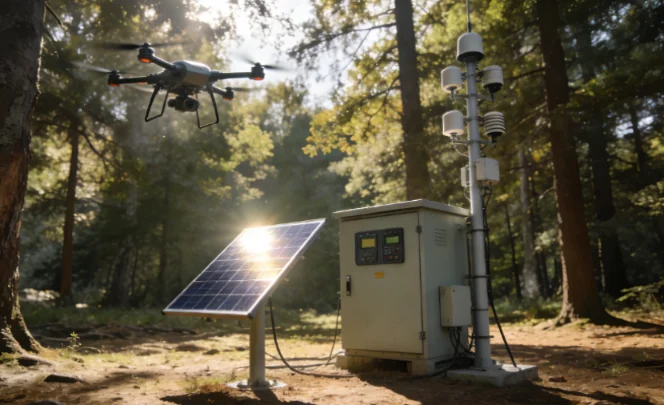
A remote conservation station can work perfectly for weeks, then fail on the one foggy morning you needed it most. That is why battery for remote monitoring is not a “nice to have” choice. It is the difference between clean datasets and silent gaps. For drone-assisted conservation work, a solar powered monitoring station battery has to handle harsh heat, wet seasons, and long stretches with weak sun, all while keeping sensors and comms alive.
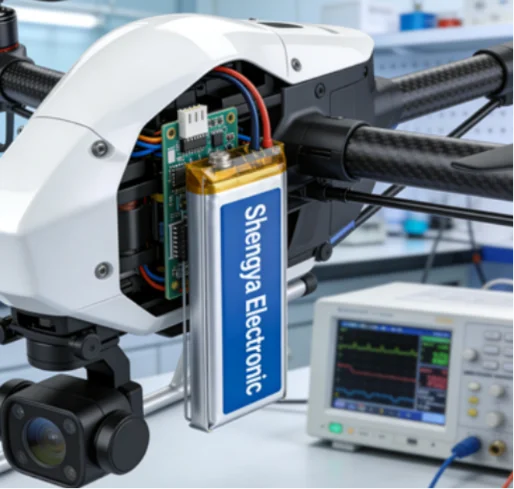
If you are browsing options by series instead of guessing from a single spec line, Shengya Electronic is a practical reference point. Its product lineup is organized by energy density and use-case: a “High energy density 275wh/kg series” and higher tiers like 330, 340, and 350Wh/kg, plus a “High energy density 190 wh/kg high rate 25C series” when instant output matters. The catalog also shows real pack formats and voltages (6S, 12S, 14S and more) so you can match the battery to your station design instead of forcing adapters and hoping it holds.
What Makes Environmental Monitoring Stations So Hard on Batteries?
Field stations do not kill batteries with one big load. They kill them with small, repeated stress: hot afternoons, cold nights, wet air, long idle periods, and sudden radio bursts. That mix is common in environmental protection work where stations sit far from roads and get serviced rarely.
Heat Soak and Cold Nights Create Capacity Swings
High daytime heat speeds up aging. Cold nights reduce usable capacity and can push voltage lower under the same load. That is how a station that “should be fine” suddenly throws a low-voltage event right before a scheduled data upload. In remote work, you feel that as missing hours, not as a neat battery chart.
Rain, Humidity, and Corrosion Raise Resistance Over Time
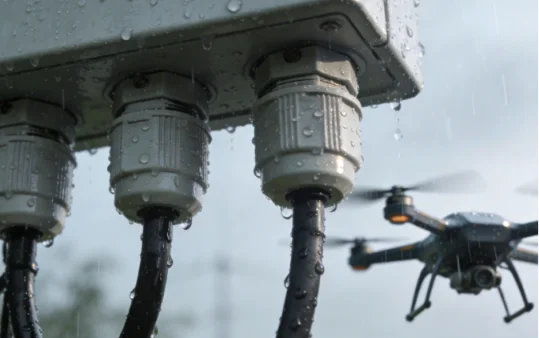
Humidity and water ingress do not always cause instant failure. Often it is slow: connectors oxidize, contact resistance rises, voltage droops during transmit, and the system resets. The annoying part is that the battery may still be healthy, but the station behaves like it is not.
Long Downtime and Low Sun Days Break Simple Solar Math
Solar budgets look clean on a spreadsheet. Real sites have dust, shade drift, and week-long storms. A battery that barely covers “average” conditions will not cover reality. When a station goes down, the cost is not just a replacement pack. It is a lost window of wildlife activity, air quality spikes, or illegal logging evidence.
What Should You Define Before Picking a Battery?
Before comparing series or Wh/kg, get clear on how your station actually behaves. This keeps you from buying a pack that looks impressive but fails your mission pattern.
Your Load Profile: Average Draw vs Peak Events
List the average draw of the sensor suite and the data logger, then mark peak events. Peaks often come from radios, scheduled uploads, heaters, or short high-power processing. Even a “low power” station can have sharp spikes.
Your Autonomy Target: How Many No-Sun Days Must You Survive?
Set a hard number: how many days the site must stay alive with little to no solar input. That target drives everything. If your baseline is “3 cloudy days,” do not buy like it is “one cloudy day.”
Your System Voltage and Wiring Loss
Low-voltage systems are more sensitive to wiring loss and connector condition. Higher-voltage pack options can reduce current for the same power. Shengya Electronic lists packs across multiple configurations such as 6S, 12S, and 14S, which gives you room to align battery choice with your station’s power architecture.
Which Battery Specs Matter Most in Heat, Rain, and Remote Sites?
Specs are only useful when they predict field behavior. For remote sites, the top concerns are stable output, usable energy per kilogram, and predictable performance after months of exposure.
Energy Density for Drone-Deployable Stations
If a drone delivers your station or your replacement packs, weight and volume become serious constraints. High energy density tiers like 275Wh/kg up to 350Wh/kg exist for long-endurance needs, and Shengya Electronic classifies these tiers clearly across its product list.
For battery families aimed at longer endurance, browse the high-energy-density categories here: https://www.txshengya.com/product-category/high-energy-density-275wh-kg-series/
Voltage Stability Under Real Loads
Capacity does not stop brownouts. Voltage stability does. A pack can have plenty of energy left and still sag during a radio burst if resistance has crept up. That is the pattern behind “it died at 60%.” It is not magic. It is voltage behavior under peak load.
Temperature Range, Sealing, and Pack Protection
Remote sites need basic physical protection: decent sealing, strain relief, and enclosure design that limits condensation. A small detail like a loose gland can become a season-long headache. Boring, but true.
Do You Need Battery Monitoring and Remote Alerts?
If maintenance is hard, visibility becomes part of the battery decision. You do not need fancy dashboards. You need signals that warn you before a full drop.
The Four Signals That Prevent Surprise Downtime
Track voltage and temperature first. Add resistance trend if you can, because rising resistance often shows up before obvious failures. Then keep simple event logs: when resets happen, when transmit events happen, when voltage dips. This is how you separate “bad battery” from “bad wiring” without a site visit.
Remote Alerts When You Manage Many Sites
When you run multiple conservation stations, the goal is not perfect data. It is fewer emergencies. A simple alert that triggers when low-voltage events repeat can save a trip and protect the dataset.
High Energy Density vs Stable Output: Which Fits Field Stations?
This is the decision that maps directly to your pain points. Most monitoring stations want long endurance. Some sites also need stronger output stability during peak events.
When High Energy Density Packs Are the Safer Bet
If your problem is downtime during poor weather and you need more autonomy per kilogram, prioritize high energy density. Shengya Electronic lists multiple high energy density series, scaling through 275Wh/kg, 310Wh/kg, 330Wh/kg, 340Wh/kg, and 350Wh/kg, with common pack options across different S configurations depending on model.
That structure is useful because you can compare by category instead of guessing from marketing phrases.
When Stable Output Matters More Than Pure Capacity
If your station has frequent peak loads, stable output can matter more than chasing the highest Wh/kg. Shengya Electronic also describes a high-rate path, including a 190Wh/kg high rate 25C series, aimed at strong instant power output use-cases.
Even if your station is not a “power drone,” the lesson is simple: match the pack to peak behavior, not just average draw.
What Does a Practical Buying Checklist Look Like for Field Stations?
Use a checklist that matches real failure modes. It saves money and it saves data. This is also where the two core search terms matter again: battery for remote monitoring and solar powered monitoring station battery are only “right” when they fit your site constraints.
Sizing Checklist
Average load and peak load events written down
Target autonomy days with low solar input
Minimum safe voltage threshold for your electronics
Pack voltage choice (such as 6S, 12S, 14S) aligned with wiring and converter plan
Reliability Checklist
Stable voltage under peak transmit events
Enclosure and sealing plan for humidity and rain
Connectors and strain relief that can survive months outdoors
A simple way to log voltage and temperature trends
Deployment Checklist for Drone-Assisted Conservation Work
Total system weight and volume
Swap process that does not require delicate tools
Clear labeling so field crews do not mix packs
FAQ
Q1: What Makes A battery for remote monitoring fail sooner in remote conservation sites?
A: Heat, humidity, and long idle periods raise resistance and lower usable capacity over time. The result is voltage dips during peak loads and unexpected resets.
Q2: How Do You Size A solar powered monitoring station battery for long cloudy periods?
A: Start with your average load, add peak events, then pick an autonomy target in days. Size the pack to survive that target without counting on perfect sun.
Q3: Why Do Low-Voltage Warnings Happen When The Battery Still Has Capacity Left?
A: Voltage sag during peak load can trigger alarms even when energy remains. Rising resistance in wiring or connectors can make it worse.
Q4: When Should You Choose High Energy Density Packs Instead of High-Rate Packs?
A: Choose high energy density when your pain is downtime from weak sun and long gaps between visits. Use high-rate style output when peak events cause repeated voltage dips.
Q5: What Battery Details Matter Most Besides Capacity?
A: Energy density tier, pack voltage options, and how stable voltage stays during peak events. Shengya Electronic’s series breakdown from high-rate 190Wh/kg up to high energy density tiers is a useful way to compare by mission need.