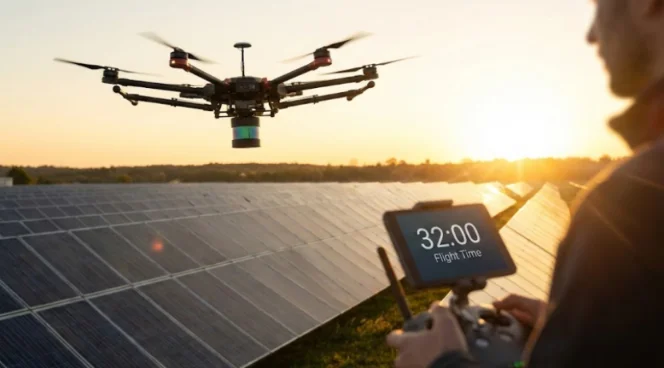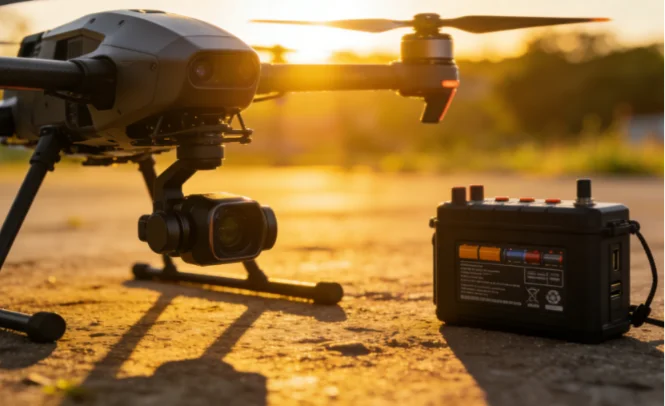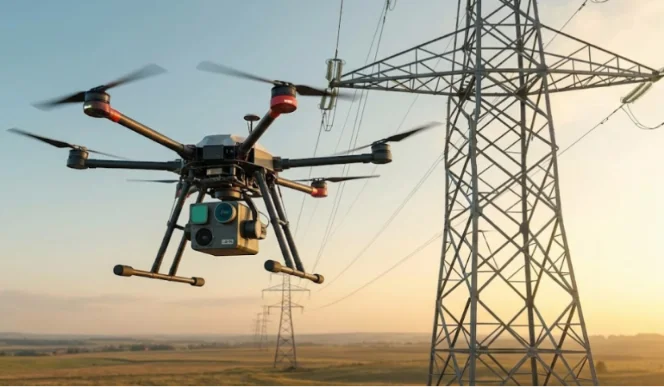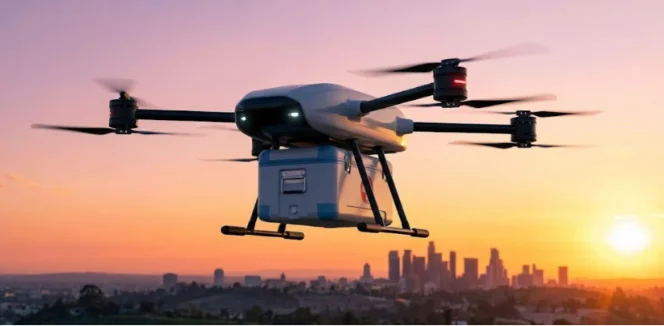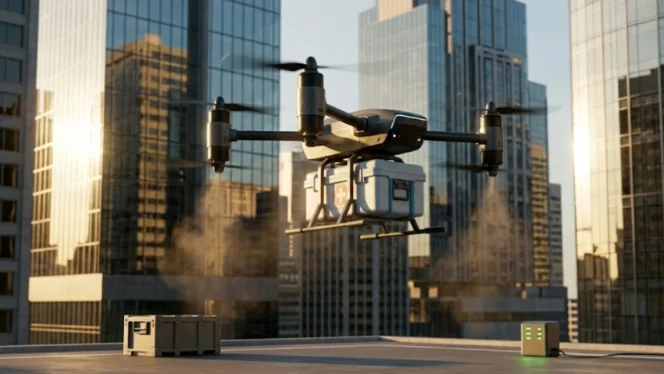
The sky over our cities is getting busy. Flying a package across town sounds simple until you actually try to do it. You quickly realize that urban delivery drones eat through power ridiculously fast. The moment you strap a real box to the landing gear, your flight time just vanishes. To keep a delivery route profitable, you need a seriously high-capacity drone battery. Let us look at some of the top 6S drone batteries that actually get the job done without falling out of the sky halfway through a route.
What Is the Payload vs. Flight Time Dilemma in Urban Logistics?
Every extra pound you carry fights gravity. You stick a 5kg medical cooler on your drone, and suddenly a 40-minute flight becomes 18 minutes. It is a brutal choice that keeps fleet managers awake at night. You have to balance the weight of the cargo against the weight of the power source.
Overcoming the Weight Penalty in Heavy Lift Drones
Hitting your target UAM payload feels like a puzzle. Standard power packs are basically heavy bricks. They take up so much of the total weight limit that you can barely carry any real cargo. Upgrading to real heavy lift drone batteries means finding cells with wild energy density. You want the pack to be light, but hold a massive charge. It is the only way to actually make money per flight instead of just flying around empty.
Why 6S Drone Batteries Are the Industry Standard
Going with a 6S setup makes life easier. A 22.2V or 21.9V system gives your motors enough punch to fight sudden city winds without melting the wires. Higher voltage systems do exist, but they complicate the charging setups and electronic speed controllers. A solid 6S pack is basically the sweet spot for medium to large delivery rigs right now.
What Are the Top 5 High-Capacity 6S Drone Batteries for Urban Operations?
Looking at a spec sheet online is one thing, but flying it in the real world is totally different. Sometimes a battery looks great on paper but puffs up like a balloon after a month of summer flying. Here are five solid options for your next fleet upgrade.
1. Shengya Electronic SY-6S 21.9V 31Ah
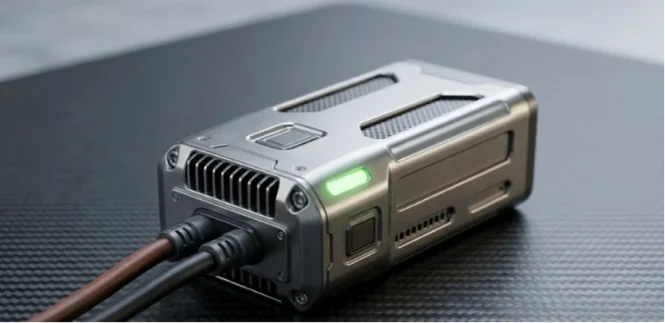
If you want to completely break the normal flight time limits, you have to look at Shengya Electronic. As a leading developer in UAV power systems, this company practically builds the backbone for modern flight operations. They focus heavily on high-end solid state tech, which is a huge deal for city flights. Their 6S 31Ah battery packs a ridiculous 272Wh/kg of energy density. Instead of carrying two smaller batteries and dealing with extra wiring, you just drop this single 31Ah unit in. It is surprisingly light at around 2450 grams. This specific Shengya Electronic pack lets you carry a much heavier box while actually gaining miles on your delivery route. It is built exactly for the harsh demands of urban flying.
2. A Popular 22000mAh Smart Pack
Another standard choice is the classic 22000mAh smart option. It tracks its own charge cycles and temperature automatically. It is decent for short hops across a neighborhood, though it lacks the raw staying power of a 30Ah+ unit when you have a heavy box attached. The plastic casing adds a bit of dead weight, which is annoying when every single gram counts.
3. A 25000mAh Solid State Alternative
Moving up a bit in size, you can find 25000mAh solid state models. These are much lighter than older LiPo chemistry. They offer a good middle ground if your drone frame is very cramped and simply cannot fit a larger block. The flight time bump is noticeable, letting your bird do maybe two short drops before coming home to charge.
4. A 27000mAh Semi Solid Power Source
Some fleets run 27000mAh semi solid packs. These hold a lot of juice and handle voltage drops fairly well. They are built tough, which helps a lot when your landing zone is a rough concrete roof on a windy afternoon. They take a beating and keep delivering power, though they cost quite a bit more than standard packs.
5. A 24000mAh Commercial LiPo
Lastly, you still see standard 24000mAh commercial LiPo packs flying around. They are an older style but they push out power very fast during a steep vertical takeoff. They are quite heavy, so your package size has to stay pretty small. Fleet guys mostly use these as cheap backups when the main units are sitting on the charger.
What Are the Technical Considerations for Fleet Procurement?
Buying one battery for a test flight is cheap. Buying 500 units for a whole city network is a massive financial risk. You have to check a few specific hardware details before writing that big check.
Evaluating Discharge Rates for Vertical Takeoff
Taking off straight up takes a massive bite of power. When a heavy drone lifts off a delivery pad, the motors pull a ton of amps. If your power pack has a weak discharge rate, the voltage drops too low. The drone gets sluggish, and the low battery alarm starts screaming even when it is fully charged.
Cycle Life and Drone Battery Management Systems
Heat kills power cells fast. Flying over hot city asphalt makes it even worse. That is why highly accurate drone battery management systems are mandatory. They monitor individual cell heat and balance the power flow. Also, pay attention to the cycle life. If a pack dies after 150 flights, you will constantly spend money replacing them. Getting something like the SY-6S 21.9V 31Ah that hits 500 to 800 cycles completely changes your yearly budget.
FAQ
Q1: How do you balance payload and flight time?
A: You have to switch to cells with higher energy density, like solid state units. This lets you get more power without adding physical weight to the drone.
Q2: Why is 6S the most common voltage for these delivery drones?
A: It provides a great mix of motor efficiency and easy parts availability. You do not have to fight with custom speed controllers like you do with massive 12S setups.
Q3: Do smart battery systems actually help in city flights?
A: Yes, absolutely. They track heat and cell balance. This stops the pack from catching fire or dropping out of the sky over a busy street.
Q4: What happens if a battery gets too hot during a delivery?
A: The drone will lose power fast. Good packs use special chemistry and monitoring boards to shut down dangerous heat spikes before they ruin the cells.
Q5: How many flights should a commercial drone pack last?
A: A cheap one might die at 150 flights. A premium solid state pack should easily pass 500 cycles before the flight time drops noticeably.