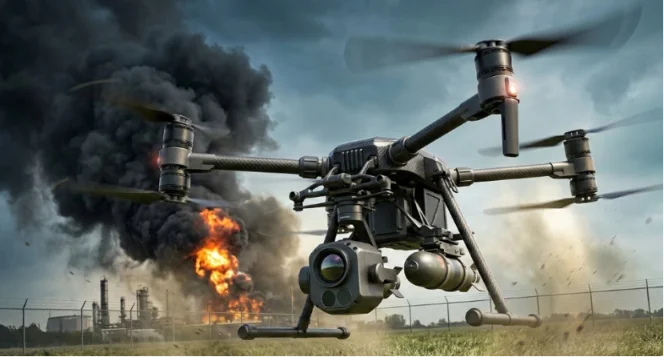
Imagine a tense scene at a chemical plant fire. A heavy drone flies directly above the thick black smoke to map the hottest spots using a thermal camera. The pilot struggles against severe updrafts. Suddenly, a strong gust pushes the drone into a tall steel radio tower. The aircraft falls straight down and crashes hard into a pile of wooden pallets. If that aircraft uses a standard power pack, the physical impact will likely pierce the outer plastic shell. A pierced lithium polymer pack explodes into a violent fireball almost instantly. This adds a brand new chemical fire to an already chaotic and highly dangerous disaster zone. First responders absolutely cannot afford this kind of drone battery fire risk when human lives hang in the balance. To eliminate this deadly threat, emergency commanders across the country are completely shifting their gear over to solid state drone battery technology. Here is why the old batteries fail so spectacularly and why the new solid architecture is a mandatory upgrade for public safety.
What Are the Hidden Dangers of Traditional LiPo Batteries in Rescue Operations?
Standard drone power packs look sturdy enough on the outside. But inside, they hold a highly reactive chemical mixture that acts like a ticking time bomb under extreme physical stress. When police or fire crews fly first responder drones into a major disaster zone, the equipment faces severe heat, freezing rain, and high speed impacts. Traditional power supplies simply fail under these brutal conditions. When they fail, they often cause secondary fires at rescue scenes that put your ground crews in immediate danger.
The Liquid Electrolyte Problem
Normal drone batteries use a liquid chemical to move electricity back and forth inside the individual cells. This liquid is highly flammable and very unstable. When a drone operates near a massive forest fire, the surrounding ambient heat makes that internal liquid boil and turn into a highly pressurized gas. The battery swells up fast. You might even notice the plastic casing bulging outward and pushing hard against the carbon fiber frame of the drone. It looks like a cheap plastic balloon ready to pop. Just one sharp piece of flying debris hitting that swollen pack will ignite the escaping gas instantly.
The Nightmare of Thermal Runaway in Drones
Once the liquid catches fire, it triggers a devastating chain reaction known as thermal runaway in drones. The burning battery actually creates its own oxygen as it aggressively melts down. You cannot simply spray water or regular fire foam on it to put the flames out. A burning LiPo pack burns at well over one thousand degrees Fahrenheit. It will melt right through the drone frame and ignite anything directly underneath it. Having a flying fireball crash onto a dry forest floor or the wooden deck of a rescue boat is a massive operational failure.
Cold Weather Voltage Drops
The liquid inside standard packs also hates the freezing cold. If a rescue team searches for a missing hiker during a brutal winter blizzard, the freezing temperature makes the battery liquid thick and sluggish. The drone might take off showing a completely full charge on the controller screen, but the power output drops off a cliff just five minutes later. The motors lose their thrust, and the aircraft drops out of the sky into the deep snow.
What Is a Solid-State Drone Battery and Why Does It Matter?
Fixing these deadly flaws required a total redesign of how batteries store and release power. By throwing out the dangerous liquid chemicals entirely, battery engineers built a power source that actually survives the worst possible disaster conditions. You get a level of physical toughness that standard packs can never match.
Replacing Liquid With Solid Architecture
A solid state drone battery uses a solid piece of conductive material to move the electrical charge between the internal components. There is no volatile liquid sloshing around inside the casing. Because there is no liquid to boil into gas, the battery never swells up when things get hot. This single structural change completely removes the risk of chemical leakage if the outer shell cracks during a really hard landing.
Surviving Punctures and Crashes
Rescue flights happen in very tight spaces. Hitting tree branches, power lines, or building antennas happens all the time, even to the best pilots. If a drone carrying a solid battery falls out of the sky and hits sharp rocks, the battery block might dent or even get punctured by a sharp piece of metal. But a punctured solid battery does not burst into flames. It just quietly stops working. This amazing physical resilience stops any chance of sparking new blazes in sensitive environments.
Consistent Power in Brutal Conditions
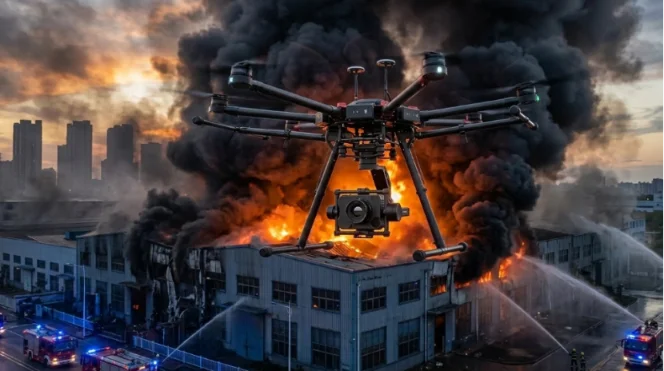
A solid core does not freeze over in the winter. When you launch a search drone in sub zero weather, the power flows smoothly without those sudden and terrifying voltage drops. You get extreme temperature reliability exactly when you need it most. The exact same rule applies to flying directly over a massive house fire. The solid structure stays completely stable in blistering heat. Your drone stays in the air long enough to finish the thermal scan and return to the launch pad safely.
Who Provides the Ultimate Power Source for Emergency Fleets?
Upgrading a police or fire department drone fleet means finding a manufacturing partner that actually builds gear for life or death situations. Shengya Electronic stands out as a highly specialized industrial battery manufacturer that builds exactly what emergency commanders ask for in the field. They know perfectly well that public safety agencies cannot cut corners on critical equipment. Their engineering team focuses heavily on removing the fire hazards from commercial flights.
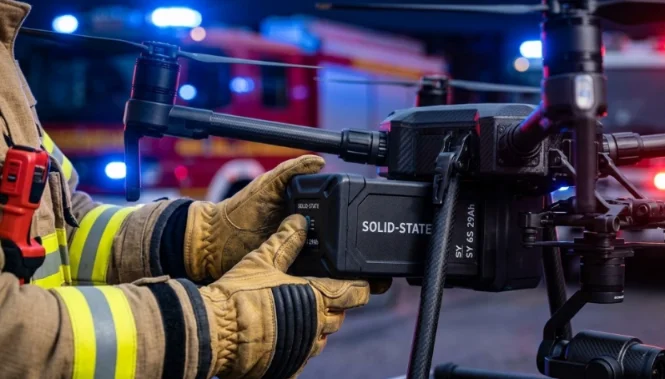
When you look at their top tier equipment, the SY 6S 22.5V 29Ah battery proves how far the technology has evolved for the rescue industry. This specific power unit brings massive capacity to the table. A twenty nine amp hour reserve gives your large multirotor the raw power needed to carry a serious heavy rescue equipment payload. Your drone can easily lift a large infrared camera, a powerful spotlight, and a life jacket drop system all at the exact same time. Shengya Electronic gives first responders the total confidence to fly heavy gear over dangerous terrain without worrying about the power supply catching fire or dying twenty minutes early.
Conclusion: Making the Right Choice for Public Safety
Fire chiefs and police captains have a strict duty to keep their teams safe on the ground. Buying cheap hobby grade equipment puts the entire operation at extreme risk. Upgrading your fleet to solid state power is a required step for any serious emergency management agency today. By choosing power supplies that refuse to catch fire and provide massive flight times, you give your rescue teams the best possible chance to save lives without causing more destruction. It is a simple choice that pays off the moment your drone takes off into a disaster zone.
FAQ
Q1: Why do traditional LiPo drone batteries catch fire in a crash?
A: Traditional batteries use a highly flammable liquid electrolyte. If a crash punctures the battery shell, this liquid reacts with the air and creates a violent chemical fire that is extremely hard to put out.
Q2: Are solid state drone batteries completely fireproof?
A: They are vastly safer because they replace the flammable liquid with a stable solid material. Even if you puncture a solid battery with a sharp nail, it will not explode or burst into flames like a normal battery.
Q3: Do these batteries work better in freezing winter weather?
A: Yes. Liquid batteries get sluggish in the cold and lose power quickly. Solid batteries maintain a steady power output even in sub zero temperatures, making them perfect for winter search missions.
Q4: Why are solid state batteries better for first responder drones?
A: First responders fly in chaotic environments where crashes happen. Solid batteries eliminate the risk of starting a secondary fire if the drone falls, and they provide longer flight times for critical searches.
Q5: Can a 29Ah solid state battery lift heavy rescue equipment?
A: Absolutely. A massive 29Ah capacity provides enough sustained electrical current to lift heavy thermal cameras, bright searchlights, and even emergency medical drop kits without draining too fast.