Lithium-ion batteries power today’s drone tech. They provide strong energy in a small package. Yet these perks bring dangers that many overlook. Flight plans and battery picks rely on understanding the info behind the work.
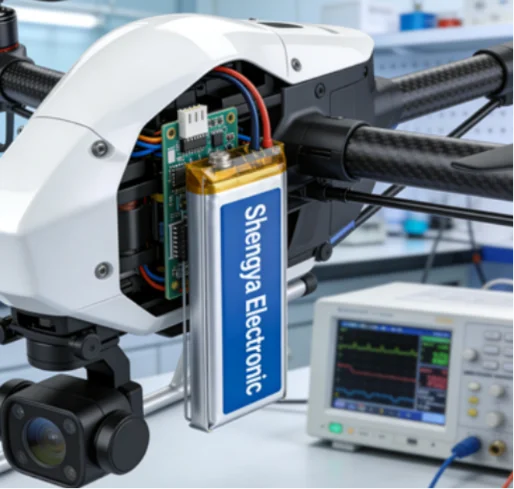
Before we get into tech details and daily use, let’s note one company that offers solid lithium options for drones—Shengya Electronics. It started in 2017 in Jiangsu, China. Shengya has become a top maker of solid-state lithium-ion soft pack batteries. These have good energy levels (up to 340Wh/kg), many charge cycles (up to 1000 times), and a focus on safety. Their batteries serve drones, robots, and special tools in over 30 provinces and worldwide. With custom services and quality-first making, Shengya Electronics helps B2B drone projects that aim for longer flights and safer use.
The Role of Safety Data Sheets in Drone Battery Evaluation
Drone users often check voltage and amp hours first. But the Safety Data Sheet (SDS) tells the true story of battery dangers. Looking past the label shows the chemical parts, safe ranges, and steps for emergencies.
What a Safety Data Sheet Reveals About Li-ion Batteries?
An SDS covers the battery’s inner makeup and how it acts under pressure. It explains thermal runaway chances, harmful gases, and what helpers should do if fire or leaks happen. This matters a lot. Drone batteries face quick charges and tough weather, unlike phone batteries. For business flights or groups of drones, keep SDS info ready as a must.
Key Safety Indicators to Look For in SDS Documents?
Check the flash point, self-start fire temperature, and suggested storage spots. These help judge where to keep or move your batteries. Toxic info is key too; it shows risks to people if the battery breaks or leaks. Parts on earth effects help groups that follow green rules.
Common Risk Factors in Li-ion Drone Battery Usage
Even top batteries can go wrong if not used right. Mistakes like too much charge or hot spots cause most problems seen around the world.
Overcharging, Deep Discharge, and Improper Handling?
Too much charging builds extra heat. That can spark fire. It raises thermal runaway odds. Unplug right when it’s full. Deep drains hurt cells too. They cause swelling or lost power that sticks. Bad handling at setup can poke walls or shift parts inside. This leads to short paths. Effects might not show until you’re in the air.
External Conditions That Increase Failure Probability?
Flying in heat or after a bump ups the odds of inner shorts. Warm air speeds up wear. Wetness brings rust in the pack. These risks are real. Data from the field shows most battery issues hit during charge time or just after landing. That’s when heat piles up.
Battery Management Systems: The Hidden Guardian
A solid Battery Management System (BMS) is not just extra. It’s a must-have. It watches for early trouble signs that you might miss.
How BMS Enhances Operational Safety in Drones?
The BMS checks voltage, current, and heat all the time. So it can stop power if something’s off. It also evens out cell groups in the pack. This stops too much strain in big setups. For fast UAVs, it keeps things running well and cuts dangers.
BMS Limitations You Should Be Aware Of?
Still, no BMS fixes all. It can’t stop harm from hard hits in crashes. Nor can it fix bad-made cells. If you get packs from unknown places without good checks, even a top BMS won’t help with big flaws.
Storage, Transport, and Disposal Considerations
How you keep and move batteries counts as much as flying with them.
Safe Storage Practices for Drone Batteries?
Keep batteries half full—best at 40–60%. Put them in a cool, dry spot. Don’t stack heavy stuff on them or pack too close. Store at 40–60% charge in a cool, dry place. This cuts inner strain and helps them last longer.
Guidelines for Transporting Li-ion Drone Batteries Safely?
When moving them, use bags that block fire or tough boxes. Follow IATA rules for air ship of lithium batteries if needed. Mark all clear to skip mix-ups at borders or in urgent cases.
Proper Disposal Methods to Minimize Environmental Harm?
Don’t throw old packs in normal trash. That risks fire or spills. Take them to approved e-waste spots. Or send back via maker programs if they offer.
Real-world Incidents: What They Teach Us About Battery Risks
Battery breakdowns seldom happen by chance. They follow paths we can spot.
Patterns Observed in Drone Battery Failures Globally?
Most issues come during charging or right after a flight. Often, they link to cheap chargers without key safety bits like voltage control or heat cut-off.
Lessons Learned From Industry Feedback Loops?
Users who note charge times have fewer problems. Pilots who record cycles see less trouble. Adding watch steps can stretch pack life by up to 20%, per real reports.
Selecting Reliable Batteries for Professional Drones
For work drones, you need more than big mAh on the tag.
Criteria That Matter Beyond Capacity and Flight Time?
Inner resistance shows battery state well. Low means better work and less heat. Steady making across lots is key too. A small difference can mess up your plan.
High energy density 275Wh/kg series packs beat usual power. They give up to 800 full cycles. These fit UAVs that need quick power bursts. Safety sits at the heart of their build.
High energy density 340Wh/kg series brings top small power for long flights. It suits drones with heavy loads that demand trust.
Integrating Safety Into Flight Planning Processes
Your flight plan needs more than paths. It should add checks before and during for the battery.
Pre-flight Checks That Reduce Battery-related Risks?
Use tools to test voltage before lift-off. Spot any bulges or color changes on the case. Those signal cell harm early.
Mid-flight Monitoring Techniques Using Smart Controllers?
Set warnings for odd heat jumps. Watch power use live. Match it to normal loads. This catches issues before they turn bad.
The Future of Safer Li-ion Batteries in UAV Applications
Safety advances in batteries keep moving fast. They grow with drone skills.
Innovations Aimed at Reducing Thermal Runaway Risks?
Experts work on solid-state parts that skip burnable liquids. Makers test cases that slow fire spread. They trap heat in one spot before it hits other cells.
Role of Industry Standards and Certification Bodies?
Items with IEC 62133 approval meet basic safety. Lab tests from others add trust to claims. Ask about this before buying lots.
One quick point—while drone folks eye flight length or load weight, the small SDS facts often split safe trips from chancy ones. Spend five more minutes checking battery state. It might spare you from big fixes later.
FAQ
Q1: Can I leave my drone battery plugged into the charger overnight?
A: No. Overcharging increases the risk of thermal runaway. Always unplug once full charge is reached.
Q2: How do I know if my Li-ion drone battery is damaged?
A: Watch for swelling, unusual heat during operation, casing discoloration, or significant drop in capacity.
Q3: Are all Li-ion batteries suitable for drones?
A: Not always. Choose packs designed for UAVs with appropriate discharge rates and integrated protection circuits.
Q4: What should I do if my drone crashes with the battery installed?
A: Remove the battery carefully. If there’s visible damage or it feels hot, isolate it in a fireproof container immediately.
Q5: Where can I find reliable drone batteries with built-in safety features?
A: Brands like Shengya Electronics, which has many series of reliable batteries for drones or robots.