What Is the Harsh Reality of Offshore Drone Operations?
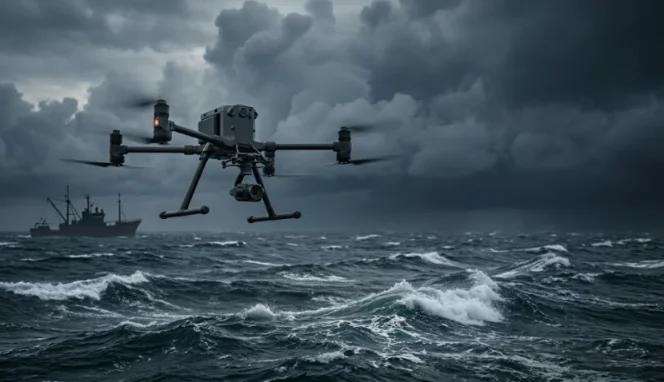
Flying a multirotor ten miles offshore is completely different from hovering over a quiet construction site. The ocean is brutally unforgiving. Coast guard teams and maritime security agencies lose thousands of dollars of equipment every single year. A sudden gust of wind catches the aircraft, power fails, and the unit drops directly into the waves. While some operators fly safely inside ship cargo holds or ballast tanks, tracking illegal fishing trawlers over open water introduces a totally different set of hazards. When you monitor border waters in bad weather, your maritime drone battery is literally the only thing keeping that expensive thermal camera out of the ocean.
Pushing Limits in High Winds
Pursuing a boat moving at twenty knots directly into a thirty-knot headwind forces the flight controller to run the motors at maximum RPM. Standard lithium polymer packs simply cannot handle this sustained electrical draw. When you ask a cheap cell to dump massive amounts of current continuously, you immediately run into a deadly drone battery voltage sag. The telemetry screen flashes a critical low-voltage warning just ten minutes into a planned forty-minute mission. The drone initiates an emergency landing right into the rough water. To survive this scenario, upgrading to a true high discharge rate drone battery is mandatory. These specialized cells maintain a steady voltage curve even when all four motors pull maximum amps to fight a coastal gale.
How Do You Survive a Saltwater Environment?
Salt fog acts as a silent killer for airborne electronics. Tiny microscopic droplets of seawater get blown straight into the battery compartment by the propellers. Saltwater is highly conductive and incredibly corrosive. It eats through cheap protective wraps and attacks exposed soldering joints in a matter of minutes.
Fighting Corrosion and Electrical Shorts
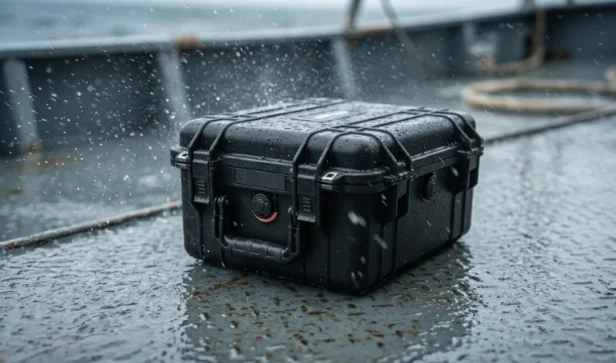
Hobbyist packs use basic plastic film and standard connectors that offer zero protection against moisture ingress. A single drop of saltwater crossing the main discharge leads will cause an instant short circuit. This sparks a mid-air fire or instantly kills flight power. Maritime operations require purpose-built commercial drone batteries. These units feature hard-case housings with IP67 waterproof ratings. The battery management system gets a thick conformal coating. Marine-grade anti-spark connectors keep the corrosive ocean spray completely locked out of the power delivery path. It sounds like basic engineering, but surprisingly few brands actually build packs that survive real marine deployments.
Why Does Heat Destroy Internal Resistance at Sea?
Fighting strong coastal headwinds generates a massive amount of internal heat inside the cells. Pushing high amps through a pack with high internal resistance cooks the battery from the inside out. When you fly heavy loads in harsh weather, that heat needs a way to escape safely.
Stopping Thermal Expansion
This trapped heat leads to a terrifying phenomenon known as drone battery swelling. The lithium cells puff up like a balloon mid-flight. Not only does this permanently ruin the chemistry, but a swollen pack frequently jams inside the battery tray. Trying to pry a stuck, overheating battery out of a drone on a pitching boat deck is incredibly dangerous. Finding a reliable drone battery manufacturer changes everything for maritime fleet operators. Located in China, Shengya Electronic operates as a specialized supplier that truly masters industrial power demands. They focus strictly on solving the heavy engineering problems that cause offshore flight failures. They build packs designed specifically for extreme environments, maintaining exceptionally low internal resistance even under massive loads. This stops thermal runaway before it starts. You get safe, stable power delivery that slides out of the drone effortlessly for rapid hot-swapping. With a deep catalog of specialized Products, Shengya Electronic gives marine integrators access to military-grade reliability without massive custom tooling costs. They just deliver batteries that actually work when the weather turns awful.
How Does Payload Weight Affect Your Flight Time?
Monitoring fishing vessels usually happens at night. This means flying heavy payloads. You need an optical zoom lens to read a hull registration number from a mile away and a thermal camera to spot the crew working on the deck.
Balancing Weight and Range
Every extra gram you hang under the gimbal drastically cuts your time in the air. If you rely on older battery technology, you face a terrible choice. You either fly with a lighter, inferior camera, or you cut your mission time in half. Utilizing high energy density drone batteries completely solves this math problem. These advanced packs squeeze significantly more watt-hours into a physically lighter footprint. The drone gains precious payload capacity. You can carry the heavy dual-sensor gimbals needed for night tracking and still retain enough safety margin to fly back to the patrol boat against a sudden headwind.
FAQ
Q1: What happens if a drone battery gets completely submerged in seawater?
A: Saltwater causes immediate short circuits across the cell terminals. Unless the pack features a fully sealed IP67 hard case, the internal electronics will fry, and the cells might vent toxic gas.
Q2: Can you use a heavy lift drone battery for maritime search and rescue?
A: Yes. Dropping a life raft requires sudden thrust compensation. A battery built for heavy payloads handles those aggressive throttle spikes without suffering a sudden voltage drop.
Q3: How much does cold ocean wind reduce battery life?
A: Freezing coastal temperatures increase the internal resistance of lithium cells. This can slash your flight time by up to thirty percent. Keeping the packs in a heated hard case before takeoff greatly improves performance.
Q4: What is the best way to store a long endurance drone battery on a ship?
A: Store them in a fireproof maritime safety cabinet at around fifty percent charge. The high humidity and constant motion at sea mean you must keep them secured and dry to prevent terminal corrosion.
Q5: Why do some batteries fail suddenly during high-speed pursuits?
A: Cheap cells cannot sustain high discharge rates. When the motors demand maximum power to chase a fast boat, the battery voltage dips below the critical flight threshold, triggering an automatic landing sequence.