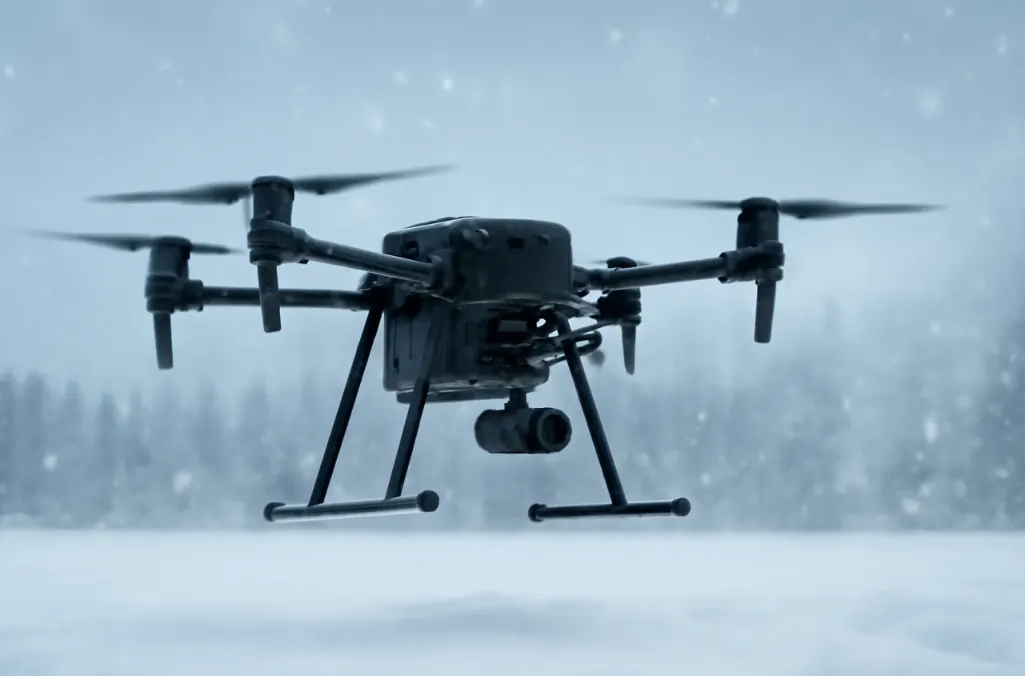
Winter changes a lot for people who fly industrial drones. That cold air might look clear, but it is hard on your gear. The battery feels it most. If you use drones for work like checking power lines or mapping land, you see your flight time get shorter in the cold. Your 275Wh/kg drone battery is great for long flights. But in winter, you need a new plan. This guide shows you how to care for your battery in the cold. You’ll find solutions for common problems like sudden voltage drop in cold and learn the right way of preheating drone batteries before flight. Let us help your drone work all winter without trouble.
How Cold Temperatures Affect High-Energy-Density Batteries
Cold weather does more than make you cold. It changes the chemistry inside your LiPo battery. For a strong high-energy-density battery like the 275Wh/kg type, this matters a lot. Think of the battery like a person. A person moves slower in the cold. A battery works slower too. The cold makes the internal resistance higher. This means the battery cannot give power as easily as before.
The Science Behind Capacity Loss in Winter
Your battery has a number for its power. That number comes from a warm lab test. Outside in winter, the battery cannot use all its power. The tiny particles inside move slowly. This is not forever. It is just for now. On a freezing day, the battery might only give 70% of its normal power. Good batteries need more care in the cold to stay safe.
Why 275Wh/kg Batteries Are Particularly Sensitive
A 275Wh/kg battery holds a lot of power in a small space. There is not much extra room for problems. In the cold, two bad things happen together. The inside resistance goes up. And the battery needs to give out power fast. This can make the voltage drop too low, too fast—a real voltage drop in cold. Your drone might say the battery is low suddenly. The power is still there. But the battery cannot reach it fast enough because of the cold.
Winter Battery Maintenance and Storage Best Practices
You must change your habits with the seasons. Taking good care of your battery between flights is the best way to keep it working through winter.
Pre-Flight Preparation and Conditioning
Never fly with a cold battery. Do not take it from your cold truck and put it in the drone. You need to warm it up first. Keep your batteries in a warm place before you fly. A good idea is to use a soft case that keeps heat in. Learning how to keep drone batteries warm in winter is one of the most effective steps you can take. If the battery is very cold, let it sit in a warmer spot for twenty minutes or more. Some people use special warm pouches for batteries. Never use a strong heater or put it on something hot.
Charging Strategies for Winter Conditions
This rule is very important. Only charge batteries when they are not cold. Charging drone batteries in low temperatures, below 10°C (50°F), can break it inside. This damage does not go away. It makes the battery weaker forever and can be dangerous. Always let a cold battery get warm before you charge it. When you store batteries for winter, keep them partly charged. The best level is about 3.8V for each cell. Put them in a place that is not too wet and not too cold. Do not leave them in a freezing shed.
Maximizing Flight Performance and Safety
Flying in winter means you must plan more and watch more closely. Your normal rules will not work now.
Flight Planning Adjustments for Winter Operations
You must guess your flight time again. If you get thirty minutes in summer, maybe you get only twenty-two minutes in winter. Always keep extra power in reserve. A good rule is to keep thirty percent of the battery for safety. This means you land when the battery still shows a good amount of power. This is crucial for maximizing battery life in winter conditions. Also, do your most important work first. The battery works best right after warming up. Try to finish key tasks before it gets cold again in the wind.
In-Flight Monitoring and Emergency Protocols
Watch the battery voltage number, not just the percentage. The percentage is a guess. In cold weather, that guess is often wrong. If you see the voltage drop fast—a voltage sag—that is your first warning. When this happens, slow down the drone right away. Start to land earlier than you planned. The battery might not be empty. It is just too cold to give power. Letting it rest in a hover might help for a second. But the safest choice is to land now.
Post-Flight Care and Long-Term Preservation
What you do after the flight is very important too. This keeps your battery ready for next time.
The Critical Post-Flight Routine
After landing, the battery will be warm from working. Do not put it straight into a cold bag. The sudden change is bad for it. Let the battery cool down slowly to the air temperature. Find a dry spot for this. Then, look at the battery. Wipe off any water or ice with a dry cloth. This is also a good time to check the voltage of each cell. Make sure they are all even before you put the battery away.
Long-Term Storage Solutions for Seasonal Operations
If you will not fly for weeks or months in winter, you must store the battery right. Properly storing drone batteries in cold weather is not complicated. The ideal place is dry and not too cold or hot. A temperature between 10°C and 20°C (50°F and 68°F) is perfect. Check on your batteries once a month. If the charge has gone down a little, use a charger’s storage setting to bring it back to 3.8V per cell. When spring comes, charge your batteries slowly once or twice before a big flight. This gently wakes them up.
Equipment and Accessories for Winter Battery Management
The right tools make winter flying easier and safer. They are a good buy if you fly for work.
Essential Gear for Cold-Weather Drone Operations
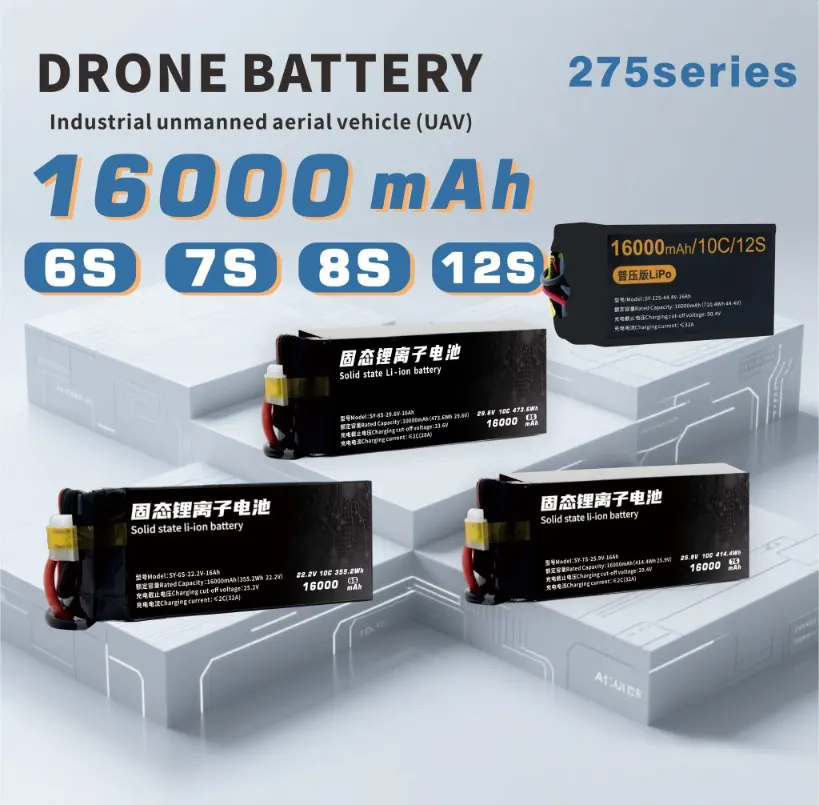
For extended industrial drone winter operations, the right gear is a force multiplier. Get a battery case that keeps heat in. It stops the battery from cooling too fast when you are outside. For very cold places, think about buying those warm pouches made for drone batteries. They give a gentle heat. Also, you need a good place to charge. Charge inside a warm vehicle or a tent. Use a steady power source. Do not charge in a cold, thin-walled trailer.
Monitoring Tools and Battery Management Systems (BMS)
A small device to check battery voltage is very useful in winter. It shows the real power of each cell, better than the drone’s screen. A good Battery Management System (BMS) can help with this monitoring. Writing down your flight info helps too. Note the temperature and voltage. This can show you patterns. It helps you guess how your battery will act on the next cold day.
Flying industrial drones in winter is tough but you can do it. Understand how cold changes your 275Wh/kg battery. Change your habits to match. This protects your expensive gear. It also keeps your work on track. Remember the main things: warm the battery gently, plan for shorter flights, and watch the gauges closely. Do these things every time. Your batteries will work well for you, season after season.
Partnering with the Right Technology Provider
Working with advanced batteries is easier with the right company. A specialist like Taixing Shengya Electronic Technology Co., Ltd (Shengya Electronic) is a big help here. Shengya Electronic is not just a store. They are experts who make high-power battery solutions. They know a lot about what industrial drone work needs. Their products, like the 275Wh/kg drone battery, are made for longer flights and heavier loads. Picking a partner like Shengya Electronic means you get more than a battery. You get a team that builds solutions for real problems. They understand the challenges of flying in hard conditions, like winter.
FAQ
Q1: How much flight time will I actually lose in winter with my 275Wh/kg batteries?
A: You will lose some. Plan for about 20-30% less time when it is near freezing. This is normal. The cold makes it hard for the battery to give out its power. Test your drone on a safe short flight first to see how it acts in the cold.
Q2: Why does my drone battery die so fast in winter?
A: It’s usually because of voltage drop in cold, not because the battery is empty. The cold slows everything down inside. The battery struggles to deliver power, so your drone’s system thinks it’s low much sooner than on a warm day.
Q3: What’s the absolute lowest temperature I should charge my batteries at?
A: Do not charge below 10°C (50°F). It is a simple rule but very important. Charging a cold battery can ruin it. Always let it warm up first.
Q4: Are those battery warmer pouches safe to use during flight?
A: No, do not use them while flying. Use them only to warm the battery before you launch. In the air, they are not needed and could cause problems. The battery makes its own heat when working.
Q5: What’s the best method for storing batteries in a cold workshop?
A: Use an insulated container and keep them off the cold concrete floor. A simple polystyrene box can work. If possible, store them in a slightly warmer cabinet. The goal is to keep them above freezing.