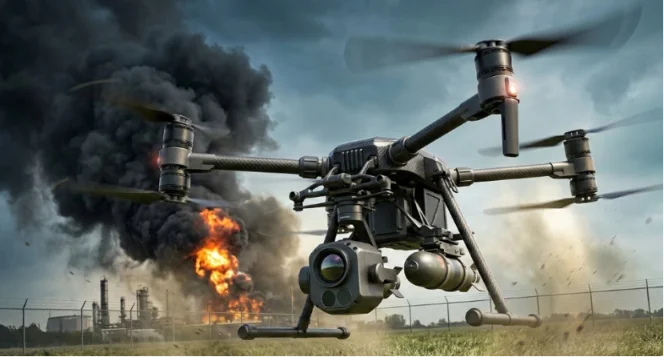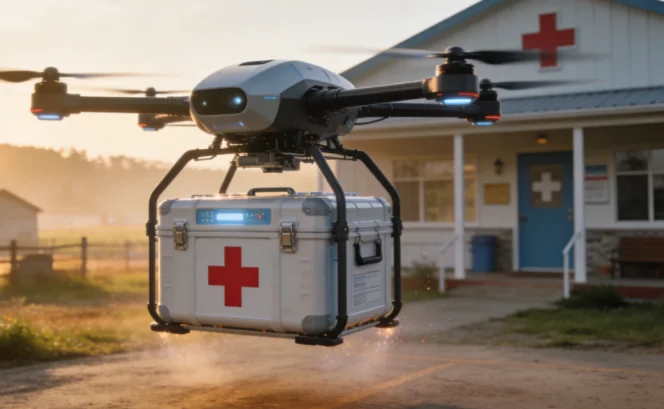
In medical drone delivery in 2026, speed gets the headline, but that is rarely the thing that decides whether a mission was actually good. In emergency supplies transport, you are not moving a retail parcel. You are moving blood units, medicines, lab samples, vaccines, or other sensitive payloads that need to arrive with enough reserve power left for a safe approach, a stable handoff, and a clean return plan. That is why battery reliability matters more than speed. A fast drone that reaches the route midpoint and starts showing mid-route power drop is not helping anyone.
Healthcare systems are using drones more often because they can bypass traffic, connect remote points, and shorten the movement of diagnostic samples and critical supplies. In one 2026 pilot, drones completed about 700 flights in 54 days and carried up to 40 diagnostic samples per trip, which says a lot about how quickly this model is moving from demo stage into routine logistics. The catch is simple. Once drones become part of real care delivery, mission safety matters more than a flashy top-speed figure on a spec sheet.
Why Is Medical Drone Delivery Growing in 2026?
You can see the growth drivers pretty clearly once you look past the hype. Medical drones are being used for blood delivery, medicine transport, vaccines, lab samples, and urgent supplies, especially where roads are slow, crowded, or unreliable. For hospitals and rural clinics, the value is not abstract. It is shorter turnaround time, quicker diagnostics, and fewer road delays in situations where minutes can start to matter.
Medical Logistics Is Moving From Speed to Reliability
The early pitch was “drones are faster.” That part is true, but it is incomplete. In healthcare, the better question is whether the drone can repeat the job safely, day after day, with different payloads and conditions. A fast one-off run is nice. A reliable system is better. For medical logistics drones, repeatability is what earns trust.
Sensitive Cargo Changes the Standard
Medical payloads are less forgiving than ordinary goods. If a drone is handling temperature-sensitive medicines or diagnostic materials, temperature-controlled delivery becomes part of the flight problem, not just a packaging problem. A power system that fades late in the route can shorten usable thermal protection time and shrink the safety margin at arrival. That is where people stop talking about speed and start talking about battery consistency.
Why Does Battery Reliability Matter More Than Speed?
This is the part buyers sometimes miss. A higher cruise speed may cut a few minutes from the route, but it does not fix a battery pack that delivers uneven output under load. In a healthcare mission, battery reliability means stable power from launch to landing, not just a good first ten minutes. If the aircraft reaches destination with low arrival battery, the delivery may technically “make it,” but the operation is already in a risky place.
Speed Cannot Rescue a Weak Power Margin
A drone can be quick and still be a poor choice for medical drone delivery if its usable reserve is thin. That reserve covers more than flight time. It covers hover, approach, wind correction, re-routing, and return. When that margin gets tight, mission safety drops fast. Anyone who has worked around field operations knows this is not a dramatic point. It is just basic planning.
Mid-Route Power Drop Is a Real Operational Risk
The phrase mid-route power drop sounds technical, but the effect is easy to picture. The aircraft feels fine early, then later in the route it has less pull, less response margin, and less confidence against weather or payload drag. In blood delivery and medicine transport, that is a bad moment to discover your paper range was too optimistic.
What Battery Problems Matter Most in Emergency Medical Transport?
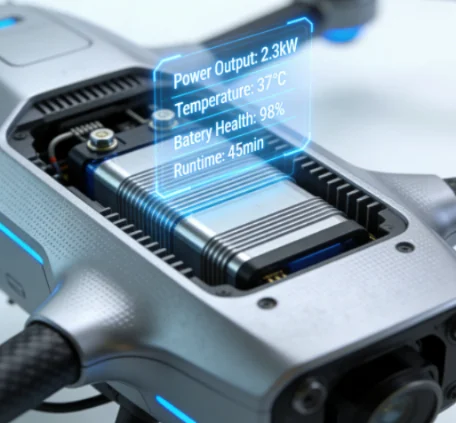
When you look at emergency missions closely, three issues show up again and again: unstable output under load, weak reserve at destination, and thermal risk when the payload needs controlled conditions. Those three issues are tied together more than many buyers expect.
Low Arrival Battery Shrinks Your Safety Window
Low arrival battery is one of the biggest quiet risks in emergency medical logistics. You may still reach the drop point, but the aircraft has fewer options if the landing zone changes, the receiver is delayed, or a return route needs adjustment. In healthcare logistics, the mission is not finished when the drone appears over the site. The mission is finished when the cargo is transferred safely and the aircraft still has a workable plan afterward.
Cold Chain Missions Need Stable Power, Not Just Long Endurance
For cold chain drone delivery, endurance alone is not enough. You need stable output across the full route because thermal protection lives on timing discipline and power discipline. If a battery pack runs inconsistently, temperature-controlled delivery gets more fragile. That matters for vaccines, medicines, and other sensitive healthcare items where payload quality is the whole point.
What Kind of UAV Battery Setup Fits Medical Drone Delivery Better?
If you are choosing a UAV battery for medical delivery, the first filter should be mission profile, not catalog vanity. Route length, payload type, ambient conditions, and reserve policy matter more than one single advertised number. A reliable drone battery pack for healthcare work should deliver stable output, decent cycle life, and a setup that matches the aircraft rather than forcing the aircraft to adapt around the battery.
High Energy Density Gives You More Useful Margin
This is where a high energy density UAV battery starts to matter. SHENGYA ELECTRONIC’s product range covers high-energy-density series from 190 Wh/kg high-rate packs up to 350 Wh/kg series, with common combinations including 6S, 7S, 12S, 13S, 14S, and even 18S on some products. That kind of range gives you room to match battery architecture to route and payload instead of settling for a one-size-fits-all pack. On one 340 series product page, the company says the pack uses semi-solid cells with composite solid electrolyte and a high-nickel positive electrode, with energy density reaching 300 to 350 Wh/kg, plus high safety, long cycle life, and good environmental adaptability.
Custom Pack Details Matter More Than People Think
In healthcare air logistics, little details have a way of becoming big details. SHENGYA ELECTRONIC says its battery packs can be customized by combination method, wire outlet position, plug type, and logo, and that its drone batteries are already used in UAVs, robots, and special-use applications. For medical use, that kind of flexibility matters because medicine transport missions, sample shuttle flights, and emergency response routes do not all want the same pack format.
Where Does SHENGYA ELECTRONIC Fit in This Trend?
If you want the short expert take, SHENGYA ELECTRONIC looks like a specialist built for endurance-driven drone work rather than hobby-level power packs. On its homepage and products page, the company presents itself as a manufacturer of solid-state lithium-ion soft-pack cells and battery packs founded in 2017 in Taixing, Jiangsu, with product lines centered on high energy density, high safety, and long cycle life. The company states cycle life of about 800 to 1000 charge and discharge cycles on its about page, and its catalog spans 190, 270, 275, 310, 330, 340, and 350 Wh/kg classes. If you are sourcing for healthcare drones, that breadth is useful because it gives you more than one route to balance payload, endurance, and reserve. You can also review its company background for the customization side.
The Practical Value Is Mission Matching
That is really the point. A battery for healthcare drones should be chosen around route stability, reserve policy, and payload protection. Not just headline speed. When you are moving critical cargo, the pack that finishes cleanly and repeatably is usually the better pack, even if it is less flashy on paper.
Final Verdict: Why Does Battery Reliability Matter More Than Speed in 2026?
Because in medical drone delivery in 2026, the job is not to look fast. The job is to complete the mission safely. Battery reliability, battery consistency, safe reserve at destination, and stable output through the whole route matter more than peak speed when you are handling emergency supplies transport, blood delivery, or medicine transport. Speed gets attention. Reliability gets the package there in a condition that still matters.
FAQ
Q1: Why is battery reliability more important than speed in medical drone delivery?
A: Because healthcare missions depend on stable power from launch to landing, plus enough reserve for safe arrival, transfer, and return. A fast route means little if the aircraft reaches destination with weak margin.
Q2: What battery problems affect blood delivery the most?
A: The biggest ones are mid-route power drop, low arrival battery, and unstable output under payload load. These problems reduce route confidence and can put delivery quality at risk.
Q3: How does low arrival battery affect mission safety?
A: It cuts your room for landing adjustments, hover time, return planning, and unexpected delays. That makes the whole operation more brittle.
Q4: Do medical drones need different battery packs for different missions?
A: Usually yes. Payload type, route length, aircraft setup, and thermal demands all change the right pack choice. That is why configurable battery packs are useful in healthcare logistics.
Q5: What makes a UAV battery suitable for emergency medical logistics?
A: A good UAV battery for medical delivery should offer stable output, strong reserve margin, suitable energy density, decent cycle life, and pack details that match the aircraft and mission profile.