How Are High-Energy Density Batteries Enhancing Drones?
Drones, man, they’re seriously everywhere now. I swear every other gadget I see is a drone these days. And the thing that actually made this whole shift happen? Not the fancy cameras or the autopilot stuff. Nope. It’s those high-energy density batteries. They’re the reason drones stopped feeling like a niche tool and started feeling like… gadgets people actually want. Without them, we’d still be stuck with short flights and constant battery anxiety.
Longer Flight Range
Range anxiety. Everyone talked about it like it was this huge monster. And yeah, it kinda was. You’d hear people say, “I love the idea, but what if I’m flying and the battery just dies?” High-energy density batteries basically killed that fear. They pack way more power into the same space—or sometimes less space—which means real-world ranges are jumping. We’re talking 30 km easy, 50 km on good models, even touching 80 km if you fly efficiently. No more planning your day around charging stations. You can actually go on long-distance aerial tasks without sweating bullets. It’s made so many people go “okay fine, I’ll try one,” and then they never look back.
Faster Charging Times
Charging used to suck. You’d plug in and go take a break, come back, still not full. Frustrating. These high-energy density packs handle way higher charging rates now without overheating or losing power quickly. We’re seeing 200–300W charging in decent stations—add 30–40 km of flight in just 20 minutes. Grab a snack, stretch your legs, and done. It’s getting closer to refueling time for drones. Not identical yet, but close enough that busy operators don’t mind. Drone photographers, surveyors, or delivery guys—it fits their day instead of ruining it.
Improved Performance
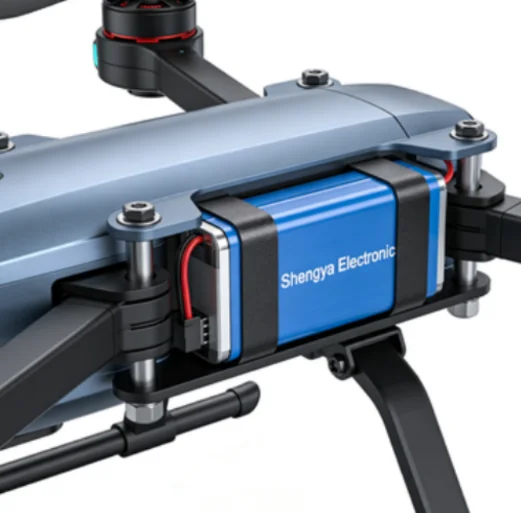
The fun part? The flight itself got better. Because the battery holds so much without turning into a weighty burden, the drone stays lighter. Lighter means it takes off faster, maneuvers sharply, and doesn’t waste energy just carrying its own weight. Launch it, and it soars immediately. In tight spaces, it zips through without effort. On long flights, it flies smooth and steady. A ton of new drone owners tell me that’s what hooked them. The drone doesn’t just fly—it’s enjoyable. Way more than some old clunky models or even slow battery-draining devices.
How Are High-Energy Density Batteries Revolutionizing Drone Energy Systems?
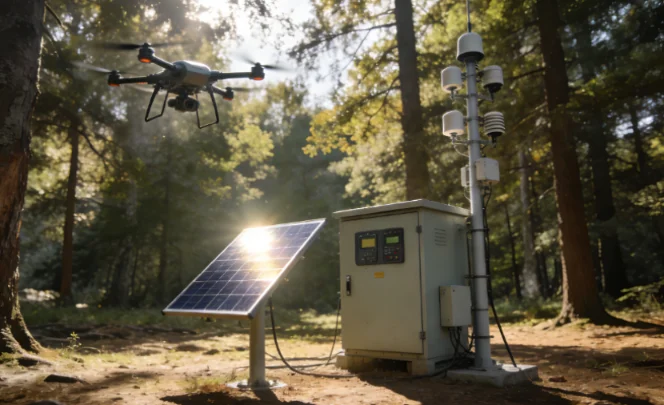
Drones powered by renewable energy are cool. Free power, no emissions, feels good. But they’re unreliable on their own. No sun at night, no wind when it’s calm. High-energy density batteries fix that gap and make the whole drone operation actually usable every hour of every day.
Storing Excess Energy for Later Use
Beautiful sunny afternoon, your solar panels are cranking. The drone uses maybe half of it—the rest used to just vanish or get sold cheap. Now high-energy density batteries grab that extra and store it. Night comes, everyone’s back for a drone session—charging the drone, using the energy to fly more, the battery feeds it back. Seamless. Same with wind setups: gusty day, store tons; still day, pull from reserves. Renewable energy for drones stops being “when the weather cooperates” and becomes steady power. Drone enthusiasts with solar setups love it—they actually use what they make instead of relying on power stations so much.
Supporting Off-Grid Power for Drones
Picture a cabin way up in the mountains. Or a farm miles from any electrical grid. Or areas where power hasn’t arrived yet. Old way? Diesel generator chugging 24/7—loud, stinky, costly. New way: slap some solar panels up, maybe a small wind turbine, and connect high-energy density batteries. Daytime charges everything. Nighttime or cloudy spells, the batteries keep drones flying. Lights, charging, and flying drones, even in remote areas. Quiet. Clean. After setup, basically free forever. That independence is massive for drone operators who live off the grid. No waiting for grid extension that might never come.
What Role Do High-Energy Density Batteries Play in Drones?
Drones went from toys and sci-fi to everyday tools super fast. Packages dropped from the sky, fields scanned for bugs, bridges checked without climbing, even surgery help. None of that scales without batteries that last long and stay light.
Extended Flight Time for Drones
Remember when drones died after 15 minutes? Fun for a quick video, useless for work. High-energy density batteries pushed that to 40, 50, sometimes close to 60 minutes. Farmers cover giant fields checking crops without landing every ten minutes. Delivery services hit farther spots. Survey crews map huge areas or disaster zones in one go. More time aloft = way more jobs finished per day. Less hassle swapping packs. It turned drones into serious business tools.
Enhancing Drone Capabilities
Drones hate downtime too. Delivery drones flying packages all day? Can’t stop every hour. Agricultural drones scanning fields nonstop? Same. Survey drones helping map land for hours? Need to stay on. High-energy density batteries give them full-day endurance—sometimes more. Delivery drones keep shipments on schedule. Agricultural drones work faster. Survey drones complete projects more efficiently. It’s not headline stuff, but it saves time and money everywhere these drones operate.
How Do High-Energy Density Batteries Contribute to Sustainability?
We all want less mess on the planet. These batteries help without being flashy about it.
Reducing Carbon Emissions
They make renewables actually replace dirty power for drones. Store extra solar/wind energy instead of wasting it—less coal/gas burned. Drones with these packs reduce the need for traditional power sources, cutting emissions in industries that use them. And they last longer—thousands of cycles—so fewer replacements. Fewer new batteries = less mining, less factory smoke, less shipping fuel. It adds up.
Reducing Waste and Extending Battery Lifespan
Old batteries faded quick. New high-energy density ones keep going strong for 8–10+ years normal use. Way less trash. Mining materials hurts rivers and forests. Building and shipping batteries uses energy. Longer life means less of all that. Not perfect, but a real step toward using stuff smarter.
FAQ
Q1: What is energy density in batteries?
A: Just how much power fits in the battery compared to weight or size. Watt-hours per kilogram (Wh/kg) for weight. Watt-hours per liter (Wh/L) for space.
Q2:How do high-energy-density batteries enhance drone performance?
A: Huge flight range boost, fast charging that doesn’t take forever, lighter drone so it feels quick and agile every flight.
Q3: How do high-energy-density batteries contribute to sustainability?
A: More clean energy gets used, less fossil fuel, batteries last ages so fewer made and tossed, overall smaller eco hit.
Q4: What industries benefit from high-energy-density batteries?
A: Drones steal the show, but home renewable storage, grid backup, robots in factories/hospitals, even phones and laptops improve.
Q5: Are high-energy-density batteries safe?
A: Yeah. Built-in cooling, smart circuits stop overcharge/heat/short problems. Normal use, very safe.
Conclusion
High-energy density batteries are quietly changing tons of things for drones. Drones fly real missions now, not just novelty toys. Solar/wind power works around the clock for them. Robots keep grinding. Emissions dip, waste drops, resources stretch farther. Tech keeps getting better—new materials, smarter controls—so today’s gains are probably nothing compared to what’s coming. Makes you think… we might actually pull off cleaner living with drones doing their part. Pretty cool if you ask me.