Lithium-ion batteries power almost everything in daily life. They run electric vehicles and drones. They also store energy from solar panels. But these batteries are hard to recycle. They hold useful materials. Yet, recycling them is tough. The problems go beyond money or tech. They come from a mix of science, setup issues, dangers, and money matters.
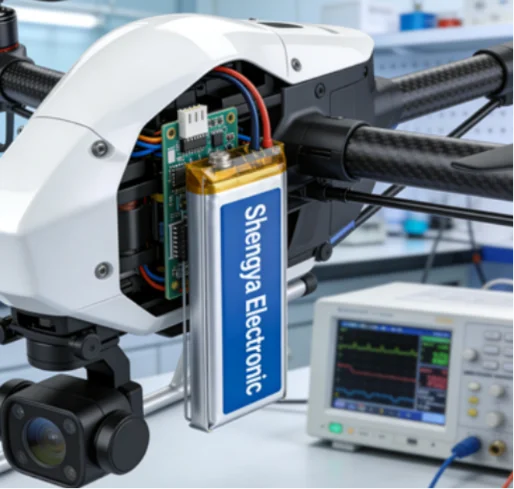
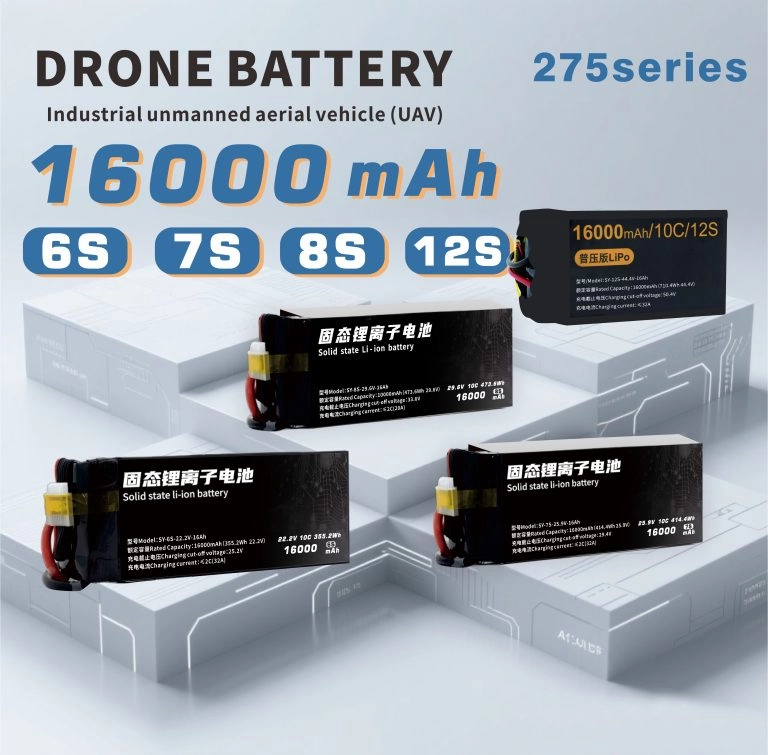
Before we look closer at why recycling lithium batteries is so tricky, think about the smart ways of Shengya Electronics. This company sits in Taixing City, Jiangsu Province. It makes strong lithium-ion batteries for drones, robots, and other fast-working tools. Their lines, like the 275 wh/kg series and 340 wh/kg series series, work great. They last a long time and stay safe. These traits help make future recycling simpler.
What Makes Lithium-Ion Batteries So Difficult to Recycle?
The blocks to recycling lithium-ion batteries are more than just gathering and melting them. The trouble starts with the battery’s inside build. It goes on through its whole life.
Complex Battery Design and Composition
A lithium-ion battery might seem like a plain metal block at first. But inside, it packs many different stuffs tight. Each part brings its own recycling headache. These batteries have lithium, cobalt, nickel, graphite. They also include plastics, glues, and dividers. These are stuck together by chemicals or layers.
The power parts often stick with tough glues. These fight easy split methods. And the cells sit inside hard shells or groups. Opening them without breaking things is hard. This tight setup boosts power storage. But it makes end-use handling messy.
Safety Risks During Disassembly
We must talk about dangers in lithium battery recycling. A small poke or spark while taking apart can start a big fire or blast. Bad handling might cause fires or bad fumes. So, always pick approved drop spots or help.
Batteries look done, but they hold some power left. This extra juice brings real risks in moving and cutting. Special places and tools are needed. They safely drain these cells first. Only then can work begin.
Lack of Standardization Across Battery Types
Different lithium battery styles add another big issue. Drones, phones, tools, and cars use them. But each has its own shape, mix, and inside setup.
No single fix works for all. Every kind needs its own take-apart steps and save plans. So, workers sort batteries into groups first. This takes work, time, and cash. Real saving hasn’t even started.
Economic Barriers Slowing Down Recycling Adoption
Even if tech fixes were ready now, scaling lithium-ion battery recycling would still be tough on money.
High Cost vs. Low Return on Material Recovery
Getting stuff from old lithium batteries costs more than digging new ones from ground. Look at this table:
| Material | Market Value (per ton) | Recovery Complexity | Recovered Yield |
| Lithium | $70,000+ | High | Moderate |
| Cobalt | $30,000+ | Medium | Low |
| Graphite | <$1,000 | Low | High |
Pulling clean lithium from old batteries often costs over mining fresh. Cobalt sells for good prices. So, many savers chase just that. They skip cheap but common things like graphite.
Prices jump around too. That makes big plans risky. Building costly plants is chancy. Raw stuff costs change fast from world events or sales shifts.
Limited Infrastructure for Collection and Processing
Setups for lithium battery recycling lag far behind old lead-acid ones. Few spots in most lands can handle big loads of this waste.
Rules for moving batteries differ by country. This makes worldwide pickup and saving a pain and pricey. Drop points for folks are few. So, many old batteries hide in homes. Or worse, they end up in regular trash.
Environmental Implications of Poor Recycling Rates
Skipping lithium battery recycling misses money chances. But it’s also a green time bomb.
Resource Waste and Supply Chain Strain
Need for raw lithium, cobalt, and nickel keeps growing. Electric rides and sun power push it. Yet digging these hurts nature bad.
New lithium mining uses tons of water and power. For one ton from salt spots, it takes up to 500,000 gallons. That’s a huge hit on weak lands.
At the same time, tossed batteries add to world e-waste piles. Each one in dumps loses stuff that could go back to making new things.
Pollution Risks from Improper Disposal
Bad dumping wastes more than resources. It hurts people. Buried lithium batteries leak bad stuff into dirt and water. Many dump fires start from hurt or mishandled cells.
Emerging Technologies Aiming to Improve Recycling Efficiency
Good news is, new ideas are coming to fix these at big scale.
Mechanical vs. Hydrometallurgical Processes
Cutting by machine is straightforward. But it often dirties the stuff. Wet metal pulling uses acid liquids to pick metals. Yet it makes lots of dirty water that needs clean-up.
Each way has good and bad sides. They form the main ways for factory saving now.
Direct Recycling Approaches Under Development
Old ways break stuff to basics. Direct saving keeps power parts whole for reuse. This cuts power use a lot. But it needs smart sorting by battery mix. That’s tough without same designs.
Role of Robotics and Automation in Safe Disassembly
Machines are growing in battery saving spots. Robots take packs apart just right. They cut worker risks and speed things up.
These setups have feelers and smart learning. They boost split accuracy. That’s key for mixed cells from various makers.
Industry Efforts Toward a Circular Battery Economy
True change needs makers to plan for end-use from the start.
Battery Design for Easier Recycling (Design for Disassembly)
Smart firms now try block designs that ease break-down. Some drop glues for press fits or clip parts. These snap open easier.
Shengya Electronics shows this. They make top drone batteries with great power. And they build for later saving too. It’s a small move, but it helps circle back.
Policy Support and Global Collaboration Initiatives
Laws are stepping up. The EU sets rules for some recycled bits in new car batteries by 2030. World team-up is key. It builds big setups across lines and matches safety rules.
The Role of Consumers and Manufacturers Moving Forward
A green battery world needs more than rules or new ideas. It takes user habits and maker duty.
Encouraging Proper Disposal Habits Among Users
You can help by dropping old gear at right spots. Ad drives and swap deals lift join rates a bunch.
Public awareness campaigns can improve drop-off rates for used devices.
Manufacturer Responsibility in Lifecycle Management
New laws make brands own after-use junk. Team-ups between makers and savers smooth pickups. They cut loads on single groups.
Shengya Electronics keeps putting cash into research. It boosts work and plans for save steps ahead. This forward think is vital. The field wants to switch from straight-line to circle model.
FAQ
Q1: Are all lithium-ion batteries recyclable?
Yes, in theory they can be. But the steps are tricky, costly, and not always worth the money right now.
Q2: Why is lithium itself hard to recover?
It’s there in tiny bits inside tough chemical setups. Pulling it out needs heavy work to split right.
Q3: Is it dangerous to recycle lithium-ion batteries at home?
Yes, very much so. Wrong moves can spark fires or bad fumes. Stick to approved drop points or services.
Q4: What happens if I throw a lithium battery into regular trash?
It might start fires in trucks or dumps. And if it leaks, it dirties the air around.
Q5: Will future battery designs be easier to recycle?
That’s the aim. Lots of firms try block styles and safer mixes. These make end-use saving simpler.