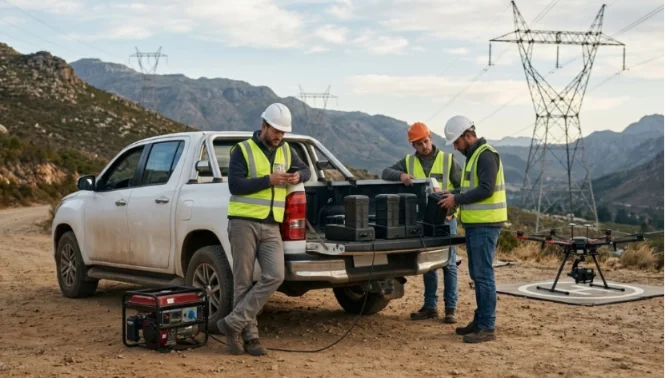
Picture a typical Tuesday out in the mountains. You have three highly paid engineers sitting in a dusty pickup truck. They are drinking lukewarm coffee and just staring at the sky. They are waiting because your expensive hexacopter ran out of juice again. A loud gas generator is sitting in the dirt, slowly pushing power into empty battery packs. The smell of cheap gas mixes with the dust, and nobody is getting any real work done. This is a massive waste of money. When you run a business, you quickly realize the biggest expense is never the plastic equipment itself. It is the waiting. You lose serious cash every single time your crew deals with battery swap downtime. If you want to actually turn a good profit, you have to sit down and properly calculate your drone inspection ROI. Stopping to change out power blocks every fifteen minutes will completely destroy your profit margins.
What Are the Hidden Costs of Short Drone Flights?
Doing a proper drone power grid inspection involves a lot of hidden expenses that never show up on the initial equipment receipt. Most project managers just look at the price tag of the aircraft and sign the paper. But out in the real world, short flight times create a snowball effect of delays and extra bills. This completely ruins your BVLOS drone ROI before the project even really starts. Take a look at where your cash is actually leaking out.
The Battery Swap Labor Drain
Think about the exact steps of changing a power pack. Your pilot has to fly the rig back to the truck. They land it carefully. Someone walks over, pulls the hot battery out, puts a fresh one in, and checks all the wire connections. Then the drone has to climb all the way back up to the working altitude. That whole dance takes about ten minutes. Furthermore, batteries get extremely hot during a heavy flight. You cannot just throw a hot pack straight onto a charger. You have to wait for it to cool down in the shade. If it is a hot summer day, that cooling process takes forever. That means you need even more spare packs just sitting around. You are paying hourly wages for your smartest engineers to play pit crew instead of collecting usable data.
The BVLOS Relocation Tax
When you inspect long stretches of high voltage power lines, you really want to fly out of sight. But if your rig only covers a few miles before dying, your ground team has to pack up the heavy truck and drive down rough dirt roads to find the next launch spot. You burn expensive diesel fuel. You wear out your truck tires on sharp rocks. Hiking up a steep hill carrying heavy pelican cases full of spare equipment will exhaust any worker. By the time they set up the new launch spot, they are tired and much more likely to make a mistake.
Increased Risk of Equipment Damage
Landing is always the most dangerous part of flying. A sudden gust of wind near the ground can flip the drone into a dirty ditch. Every single time you bring that rig down to swap power, you are rolling the dice with a very expensive thermal camera or laser scanner. Fewer landings simply mean fewer chances to smash your gear into a million pieces.
How Do You Break Down a Drone Inspection Cost Analysis?
Running the math on utility drone costs reveals a very harsh truth about cheap equipment. Saving a few hundred bucks on a standard power pack looks great on a spreadsheet in January. But by July, those cheap packs will cost you thousands in lost time. Doing a proper drone inspection cost analysis proves that buying better power upfront is the smartest financial move you can make for your business.
Why Cheap Batteries Actually Cost You More
Standard lithium packs degrade pretty fast when you push them hard in hot weather. After a month of heavy field use, that fifteen minute flight drops down to twelve minutes. Now you have to buy twenty extra packs just to get through a single work day. You also have to carry massive fireproof cases to store them all safely in the truck. The logistics become a total nightmare. You end up spending way more money buying cheap replacements than you would have spent on top tier cells in the first place.
A Simple ROI Calculation Example
Grab a calculator and run some basic math. Assume your three person survey crew costs your company $1,500 every single day in wages. If they use basic batteries, it takes them ten days to scan a whole valley of transmission towers. That costs you $15,000 in labor. Do not forget the travel expenses. Keeping a crew out in the field means paying for three hotel rooms and three meals a day. Now imagine they use high density power cells that double their flight time. They skip the constant landings and finish the exact same job in just five days. You just saved $7,500 in pure labor costs on one single job, plus five nights of hotel bills and restaurant tabs. That extra money goes straight into your business bank account.
How Do 320Wh/kg Batteries Transform the Math?
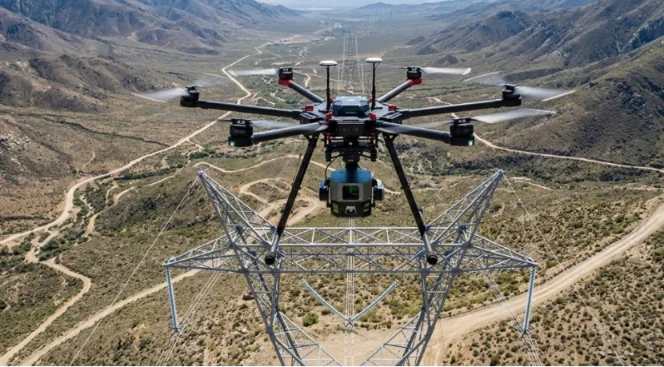
Technology finally caught up with what field operators actually need out in the wild. For years, the only way to fly longer was to strap a physically heavier battery to the frame. But extra weight makes the motors work much harder, which kills the flying efficiency. It was a stupid cycle. Now, a true 320Wh/kg drone battery breaks that physical limit. It puts massive power into a very light package.
Doubling Flight Time Without Adding Payload
The number 320Wh/kg is just a fancy way to measure energy density. It means you get a lot more electricity crammed into the same physical weight. Old liquid batteries are heavy and risky. The new chemistry packs the energy tight. So instead of taking off with a heavy block that barely lifts off the ground, your drone stays nimble. You can bolt on a heavy laser sensor and still get forty to fifty minutes of air time. It completely changes how you plan your daily missions.
Doing More with Less Equipment
When one battery lasts almost an hour, your truck gets a lot emptier. You stop hauling around three heavy gas generators and heavy buckets of spare power blocks. Your crew travels light. They can easily hike up a mountain trail with just the drone and two sets of high density packs. They get the job done quickly and drive home early to their families.
Who Is Powering Profitability in the Power Grid?
Finding the right power supply usually involves a lot of trial and error. You definitely do not want to test random batteries while hovering over live high voltage lines. You need a highly trusted partner. This is exactly where Shengya Electronic steps in to fix your operational headaches. They are a serious industrial manufacturer focused deeply on solving the exact power problems commercial drone operators face in the field. For years, they have been developing specialized battery technology that pushes the absolute limits of energy density, leaving consumer grade batteries far behind. As true experts in power solutions, they built the highly sought after 320Wh/kg High Energy Density Series. This solid state battery line is crafted strictly for heavy duty commercial use. It gives utility companies the exact tool they need to cut down daily labor waste. By using their power systems, your crews stay in the air much longer. You finish massive grid inspections in half the normal time and dramatically lower your daily operating costs.
Why Should You Stop Buying Batteries and Start Buying Flight Time?
Stop thinking about batteries as just a cheap spare part. In the B2B world, you are basically buying flight time. Every extra minute your drone stays in the air is another dollar saved on truck fuel, engineer salaries, and hotel rooms for your tired crew. When you switch to high density power, you stop wasting precious time on the ground and start turning a much higher profit.
FAQ
Q1: How do longer drone flight times improve ROI?
A: They cut down the hours your crew spends waiting on the ground. Less waiting means you finish the job faster and pay less in daily wages.
Q2: What is the main cost in drone power line inspections?
A: The biggest expense is always the human labor and travel costs. Paying engineers to sit in a truck while batteries charge is a huge waste of funds.
Q3: Why is a 320Wh/kg drone battery important for utility work?
A: It packs massive amounts of energy into a very light shell. This lets your rig carry heavy laser scanners while still flying for nearly an hour.
Q4: Are high energy density drone batteries worth the extra cost?
A: Yes. The money you save on hotel bills and wages for your crew easily covers the higher price tag of premium power cells.
Q5: How many times does a drone land during a standard grid inspection?
A: With cheap power packs, a rig might land ten or twelve times a day. Upgrading your power supply can cut those dangerous landings in half.