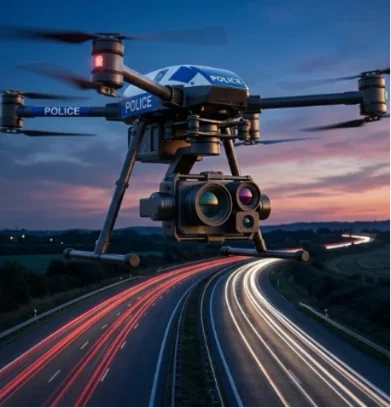
Finding a reliable drone battery for highway patrol is a huge pain for traffic police. It is probably their biggest daily headache. You send a drone up to watch a 20-kilometer piece of a busy highway. Just 22 minutes later, your controller starts beeping loud. The low voltage alarm screams. You have to bring the flying machine back right away. When executing long-range highway patrols, a normal battery just fails. It cannot keep the aircraft up high for very long. This causes big problems. You might miss bad car crashes or the exact second a traffic jam clears up. Why? Simply because your gear had to fly back for a quick battery swap.
Why Do Standard Batteries Fail in Highway Patrols?
Drone makers print really nice numbers on the side of the box. You might see a 45-minute flight time listed there. That looks amazing on paper. But clean indoor labs do not match the real world. A busy highway is a very tough place to fly. Once you step outside, things change fast. The wind and your extra camera gear eat up your power. They drain the battery much faster than you might think.
The Weight of Heavy Payloads
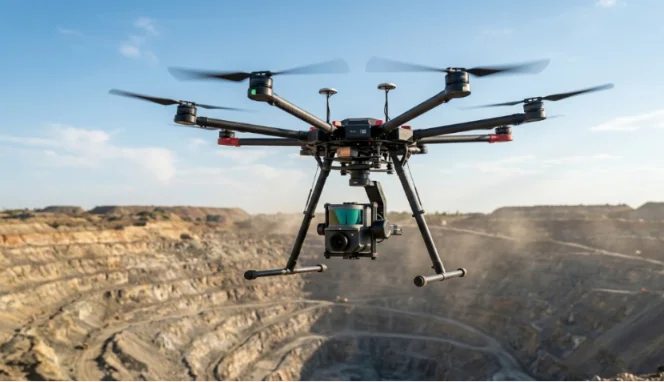
Police drones almost never fly empty. You usually strap heavy gear onto them. You attach big 4K zoom cameras, heat sensors, or loud speakers. Because of this, heavy payload drone batteries drain very fast. The extra pounds force the motors to work super hard. Every single extra gram pulls more electricity from the cells. Sometimes, your team uses a heavy LiDAR scanner for making 3D maps of car crashes. When you add that big scanner, your flight time drops even more. These scanners pull power right from the main drone computer. You fight gravity and power a spinning laser at the exact same time.
Battling Harsh Weather Conditions
Open roads usually have no trees to block the wind. They act like giant wind tunnels. Flying into a strong wind is like paddling a boat against a fast river. The motors spin crazy fast just to stay in one spot. When a strong side wind hits, the computer tilts the craft hard into the wind. This steep angle burns up your battery super fast. Cold weather makes this worse. Think about flying a normal pack in the freezing winter. The cold slows down the chemical stuff inside the cells. The voltage drops fast, tricking the drone into thinking the gas tank is totally empty.
How Can High Energy Density Fix Your Range Anxiety?
You cannot just strap a bigger, heavier battery onto your drone. At some point, the extra weight ruins the plan. It totally cancels out the extra power. The motors end up working way too hard to lift the giant block of power. The real trick is smarter math. You need to pack more energy into the exact same size box.
Packing More Power Without the Extra Weight
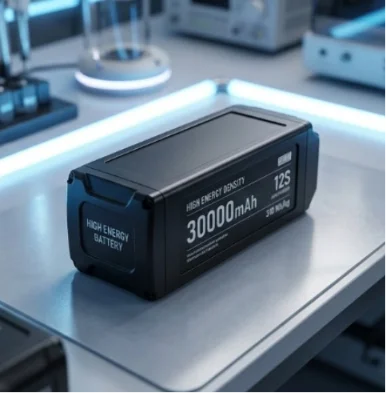
This is where better science steps up to help. You should try using high energy density UAV batteries. You get a much bigger fuel tank without making the drone too heavy to fly. If you want to stop changing batteries every 30 minutes, you need to look at special factory suppliers. For example, Shengya Electronic builds pro-level power parts. They push the limits of power tech. They offer packs that hit 310 to 350 Wh/kg. This number is a big deal. It means a 30000mAh battery stays very light. Even a huge 70000mAh battery stays surprisingly light to carry. Your drone might carry a Shengya 12S or 14S pack. When it does, the motors do not fight dead weight. You get a steady, strong power flow. This keeps big drones hovering nicely over bad car crashes much longer than cheap store brands. You can look at their high energy series here. Maybe you need to launch a giant drone carrying heavy rescue gear. They even make a high rate 25C series for that exact job.
Maintaining Continuous Traffic Monitoring
Sometimes, a huge car crash happens on the road. Rescue teams need an eye in the sky right away. They need a live video feed that never cuts out to guide fire trucks. A reliable drone battery for highway patrol gives you that non-stop flight time. You do not want to land just to change a battery. If you land, you might miss a second crash happening right behind the first one. Also, changing gear is annoying. Picture yourself digging for cold batteries in the trunk of your police car. You try hard not to drop tiny metal pins in the wet grass. It is very frustrating. Longer flights mean you avoid all that silly mess.
What Are the Best Practices to Extend Your Flight Time?
Buying better gear is just step one. You want to really maximize drone flight time. To do this during long-range highway patrols, you must change how you fly. You have to change how your thumbs move the control sticks. Bad flying habits will kill the best battery very quickly.
Fly Smoothly and Manage Your Speed
Fast, wild flying pulls a huge amount of power. It sucks the life right out of the battery cells. If you push the speed stick all the way up and make sharp turns, the motors scream for more juice. Instead, try to stick to a smooth, easy speed. Move forward at about 25 to 35 km/h. This speed gives the flying machine a tiny bit of lift from the air. It works a bit like an airplane wing. This takes some of the hard work away from the spinning blades and stretches your flight time by a lot.
Warm Up Your Gear Before Takeoff
Do not take a freezing cold battery out of a metal box and expect it to work well. Keep your spare packs warm inside the heated front seat of your work truck. Leave them there until you need to snap them onto the aircraft. Taking off with a warm battery is a smart move. It gives you the full power tank right from the start. It stops the power level from dropping the second you push the speed stick up.
FAQ
Q1: How much flight time can you actually get during a highway patrol?
A: Normal store packs usually give you 20 to 25 minutes. This happens when they are loaded with heavy police gear. Switching to a high energy density pack changes things. It can push your time closer to 45 or 50 minutes. It all depends on the wind speed and your camera gear.
Q2: Why does cold weather make drone batteries die faster?
A: Cold air slows down the chemical stuff inside the lithium cells. It makes the power drop fast. The drone sees this sudden drop. It thinks the gas tank is totally empty. Then, it will force the machine to land right away to stay safe.
Q3: Is it better to just buy a physically larger battery?
A: Only if the inner power density is very high. Taping a heavy, weak battery on a drone is a bad idea. It makes the motors work way too hard. This actually cuts your air time down. It hurts more than it helps.
Q4: At what percentage should you land your drone?
A: Never fly your gear down to zero percent. That is very bad. Always bring the aircraft back early. You should land when you still have about 15 to 20 percent power left. This simple trick protects the inside cells from permanent harm.
Q5: Does flying fast drain the battery quicker?
A: Yes, it really does. High speeds and sudden stops pull massive amounts of power. Fast flying hurts your total time. Flying at a slow, steady pace is much better. It is the best way to keep the drone up in the air longer.