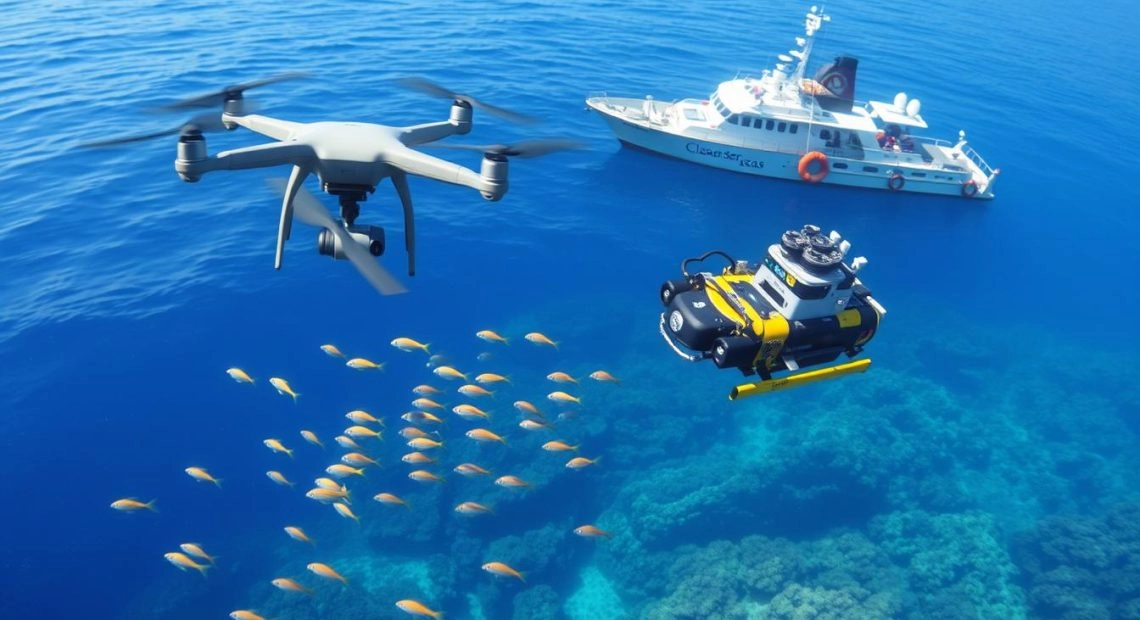
Enhancing Marine Surveillance with Drone Technology
The Role of Drones in Coastal Monitoring
Drones transform coastal oversight. They deliver instant data. Vast shores are watched closely. Advanced imaging equips them well. Threats are spotted fast. Illegal fishing is caught. Unauthorized boats are seen. Drones reach remote spots. Traditional methods can’t match them. Authorities act swiftly. Environmental shifts are tracked. Security breaches are stopped. Coastal ecosystems stay safe. Maritime borders are secure. Drones make monitoring efficient. Protection is stronger. Nature and safety win.
How Drones Improve Maritime Border Security
Ocean borders are vast. Securing them is tough. Drones offer smart solutions. They patrol wide areas. Costs are low. High-resolution cameras see clearly. Thermal imaging works at night. Smuggling is detected. Human trafficking is exposed. Real-time systems send alerts. Command centers get updates. Decisions are made fast. Drones strengthen defenses. Illegal acts are curbed. Borders are safer now.
Utilizing Drones for Environmental Surveillance
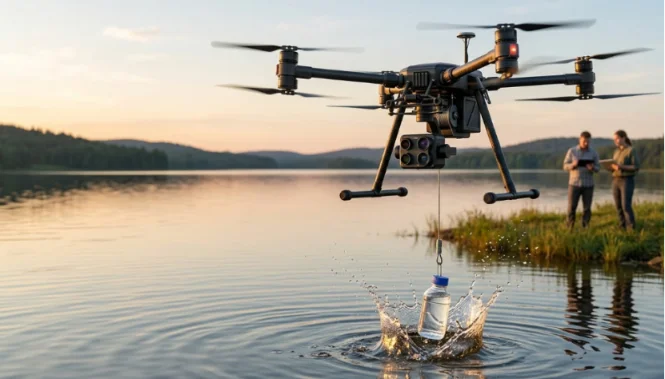
Drones excel in nature watch. Marine ecosystems are studied. Wildlife is tracked closely. Human impacts are measured. Coral reefs are mapped. Bleaching signs are found. Degradation is assessed. Sensors test water quality. Temperature is checked. Salinity is recorded. Data guides conservation. Researchers gain insights. Policymakers plan wisely. Environmental care grows stronger. Drones drive green efforts. Oceans stay healthier.
Revolutionizing Ship Inspections and Maintenance
The Efficiency of Drone-Based Hull Inspections
Hull checks were slow before. Divers were needed. Scaffolding took time. Costs were high. Drones change this. They inspect hulls fast. High-definition cameras capture details. Corrosion is spotted. Biofouling is seen. No contact is required. Inspections are quick. Ship downtime shrinks. Drones save time and money. Safety improves too. Vessels stay ready.
Identifying Structural Damages Using Aerial Imaging
Drones spot ship flaws. They fly near surfaces. High-resolution images reveal issues. Cracks are found. Dents are noted. Anomalies are clear. Software analyzes photos. Problem areas are flagged. Repairs are planned fast. Accidents are prevented. Ships stay strong. Aerial imaging keeps vessels safe. Maintenance is smarter. Reliability is high.
Reducing Risks in Maintenance Operations with Drones
Marine maintenance is risky. Harsh seas challenge workers. High masts are dangerous. Undercarriages are hard to reach. Drones take over. They inspect tight spaces. Hazardous tasks are avoided. Workers stay safe. Operations run smoothly. Drones cut dangers. Efficiency rises high. Maintenance is transformed.
Optimizing Logistics and Cargo Management
Drone Applications in Port Operations
Ports are busy hubs. Efficiency is vital. Drones provide aerial views. Container yards are mapped. Cargo moves smoothly. Storage is optimized. RFID scanners find containers. Manual searches are cut. Time is saved. Drones streamline ports. Operations are faster. Productivity climbs up.
Streamlining Cargo Delivery with Unmanned Aerial Systems
Unmanned Aerial Systems deliver cargo. Small packages move fast. Ships at sea are served. Shore-to-vessel trips are quick. Boats are replaced. Helicopters aren’t needed. Costs drop low. Speed is high. Drones make delivery efficient. Marine logistics improve. Innovation leads the way.
Challenges and Opportunities in Drone-Driven Marine Logistics
Drones face hurdles. Regulations are strict. Payloads are limited. But progress is here. Taixing Shengya Electronic Technology Co., Ltd. offers solutions. Their lithium-ion batteries boost power. Drones fly longer. Payloads grow larger. Logistics expand fast. Challenges spark growth. Opportunities are vast. Drones reshape marine trade.
Supporting Marine Research and Environmental Conservation
The Use of Drones in Oceanographic Research
Drones redefine ocean study. Sensors measure water traits. Temperature is tracked. Salinity is tested. pH levels are checked. Data is instant. Underwater ROVs are deployed. Deep seas are explored. Autonomy covers vast areas. Research is enriched.
Taixing Shengya’s batteries extend range. Drones work longer. Marine science thrives.
Monitoring Marine Wildlife with Drone Technology
Drones watch wildlife gently. Whales are filmed. Dolphins are observed. Sea turtles are tracked. High-resolution cameras capture details. Behaviors are studied. Migrations are mapped. Populations are counted. Thermal imaging finds animals. Low-light conditions don’t stop them. Endangered species are protected.
Non-invasive methods help nature. Conservation grows stronger. Drones lead the charge.
How Drones Contribute to Pollution Control Efforts
Pollution threatens oceans. Drones fight back. They spot oil spills. Plastic waste is mapped. Imaging systems track damage. Cleanup plans are made. Sampling tools collect water. Labs analyze pollutants. Impacts are assessed. Reliable batteries keep drones active. Pollution control improves. Drones protect seas. Green efforts succeed.
Emergency Response and Disaster Management at Sea
Deploying Drones for Search and Rescue Missions
Time saves lives at sea. Drones reach accidents fast. Aerial views guide rescues. Large areas are scanned. Thermal cameras spot heat. GPS pinpoints locations. Stranded people are found. Lifeboats are seen. Data reaches teams instantly. Plans are made quickly. Drones boost rescues. Lives are saved. Emergencies are managed.
Enhancing Oil Spill Response with Aerial Insights
Oil spills harm ecosystems. Drones respond swiftly. They map oil slicks. Affected zones are identified. High-resolution images guide teams. Cleanup is prioritized. Containment is tracked. Effectiveness is measured. Aerial insights save nature. Spills are controlled. Drones make a difference.
The Role of Drones in Post-Disaster Assessment
Disasters like hurricanes hit hard. Shipwrecks cause chaos. Drones assess damage fast. Ports are surveyed. Vessels are checked. Coasts are mapped. Sensors test water quality. Ecological harm is measured. Recovery plans are shaped. Drones aid rebuilding. Data drives action. Restoration is smarter.
Frequently Asked Questions (FAQs)
How are drones used in oceanographic research?
Drones collect water data. They measure temperature and salinity. ROVs explore deep seas.
What benefits do drones offer for wildlife monitoring?
They observe animals gently. Cameras and thermal imaging track behaviors and migrations.
Can drones help control marine pollution?
Yes, they spot spills and waste. Samples guide cleanups. Pollution is curbed.
How do drones aid disaster management?
They scan accident sites. They map damage. Rescues and recoveries improve.
Learn more about Taixing Shengya Electronic Technology Co., Ltd.’s customizable solid-state lithium-ion soft pack batteries today!