
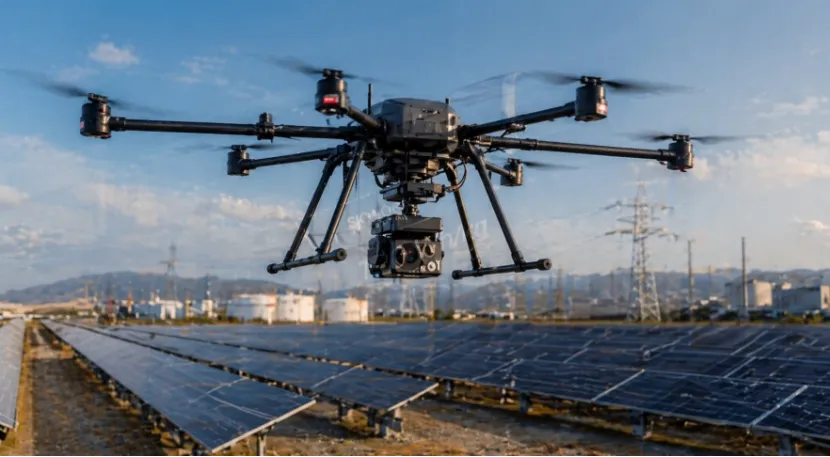
Drones are constantly taking on heavier tasks in agriculture, mapping, and industrial inspection. But if you design or operate commercial flight fleets, you face a constant struggle every single day. You want to attach better cameras or heavier sensors to get the job done. Doing that almost always ruins your drone flight endurance. Standard lithium packs just do not hold enough power for their physical weight.
A stiff breeze or a few extra sensors will drain your power pack before the job is even close to finished. This is exactly where high energy density UAV batteries come into play. They completely change the math of autonomous flight. By holding more power in a much smaller physical space, they let you upgrade your onboard equipment without cutting your mission short.
The Core Dilemma in Commercial Drones: Payload Capacity vs. Flight Endurance
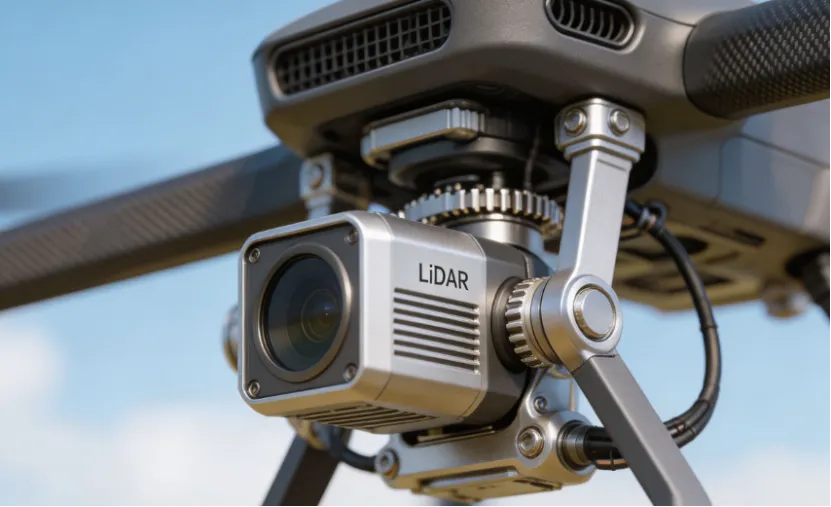
Every single gram matters when a multirotor takes off. If your field team mounts a new LiDAR scanner or a heavy crop sprayer, the total weight shoots up instantly. The immediate penalty is always a shorter time in the air. This forces operators to land frequently and swap out power packs. You lose precious time out in the field. Trying to improve your UAV payload capacity usually means settling for a much worse range.
Standard LiPo cells simply peak too early. They hit a performance wall at around 200 Wh/kg. Pushing past that limit with older chemistry just adds physical bulk. That creates dead weight that your motors have to work incredibly hard to lift, which just burns through power faster. It is a frustrating cycle that holds back field operations.
Decoding the 270 Wh/kg Benchmark: The Role of 4.35V High Voltage Chemistry
Pushing past traditional power limits requires a fundamental shift in how cells are built internally. Hitting a true 270 Wh/kg high energy density requires switching to a completely different high voltage chemistry. Instead of the standard 4.2V peak, modern cells charge all the way up to 4.35V. This extra voltage translates directly into longer flight times.
When sourcing these specific power units, precision manufacturing makes a huge difference in field performance. Shengya Electronic stands out in this specialized field as a premier manufacturer. They focus strictly on advanced lithium technologies tailored for high demand applications. Their high voltage 4.35V series delivers genuine 270 Wh/kg performance inside a lightweight pouch design.
If you need cells that handle heavy industrial loads while staying compact, exploring the high energy density 270 Wh/kg high voltage 4.35V series from Shengya Electronic offers a direct path to better fleet efficiency. They build these battery packs specifically to keep multirotors and VTOL aircraft flying much longer under tough environmental conditions.
How High Energy Density Batteries Transform UAV Operations
Switching to top-tier power sources trickles down to every single part of a commercial flight operation. You do not just get a few extra minutes in the air. The entire operational workflow becomes smoother and much more efficient. Here is how this battery technology directly impacts daily tasks out in the field.
Maximizing Payload Without the Weight Penalty
A lighter power pack frees up crucial physical space and weight capacity on your aircraft. You can finally install that expensive multispectral camera you have been holding back on. The aircraft frame handles the exact same total takeoff weight, but far more of that weight is useful equipment rather than just heavy batteries.
Extending Operational Range and Mission Efficiency
Longer flights simply mean fewer interruptions. Imagine mapping a massive 500 acre solar farm. Bringing the drone back to base just for a battery swap wastes valuable daylight. High capacity cells let the drone finish the entire route in a single trip. This drastically improves how many total acres your team can cover in a single working day.
Enhancing Fleet ROI and Lowering Total Cost of Ownership
B2B procurement teams always look at the bottom line. Advanced power cells might cost a bit more upfront at the time of purchase. However, completing jobs much faster and reducing ground downtime means the initial investment pays off very quickly. You get far more billable hours out of the exact same aircraft.
Technical Reliability: Thermal Stability in 4.35V UAV Batteries
Safety is a massive concern for any high capacity power system. Squeezing more energy into a small package often raises valid questions about overheating and fire risks. When a commercial drone carries a heavy payload on a really hot summer day, the discharge rate spikes dramatically. This generates intense internal heat.
The good news is that modern 4.35V high-voltage drone batteries feature highly stable internal structures. Quality engineering keeps the thermal stability well within safe operating limits. The cells actively resist swelling and manage heat dissipation effectively during rapid discharge moments. This means your expensive equipment stays completely safe in the sky, even when you operate in harsh industrial environments.
Conclusion: Powering the Next Generation of Autonomous Flight
Aviation technology keeps demanding more electrical power. As commercial flight tasks grow more complex, you need power sources that can keep up with the demand. High energy density UAV batteries provide the exact performance boost modern fleets require right now. They solve the heavy lifting problem while keeping the aircraft airborne significantly longer. If you want to stop compromising between flight time and equipment weight, it is clearly time to upgrade your systems. Discover how customized drone battery solutions can elevate your daily flight operations today.
FAQ
Q1: What exactly does a 270 Wh/kg rating mean for my drones?
A: It measures the amount of energy stored per kilogram of battery weight. A 270 Wh/kg rating indicates a very high capacity cell that provides exceptional flight time without adding excessive dead weight to your aircraft.
Q2: Are high voltage 4.35V batteries safe for heavy industrial use?
A: Yes they are. High quality 4.35V cells feature advanced internal chemistry designed specifically for safety and stability. They handle the intense discharge rates of large industrial multirotors safely and effectively.
Q3: Will upgrading my battery actually improve my payload capacity?
A: Absolutely. By using a lighter battery that provides the exact same or even more power, you free up physical weight. You can use that saved weight to attach heavier cameras, sensors, or agricultural spraying gear.
Q4: How do these advanced batteries affect my daily operational costs?
A: They lower your costs over time. Because drones stay in the air much longer, your operators spend less time swapping batteries and more time completing paid jobs. This boosts daily productivity and your overall ROI.
Q5: Can standard drone chargers handle 4.35V high voltage cells?
A: You need a charger specifically capable of high voltage settings. Charging a 4.35V cell on a standard 4.2V setting will not damage it, but you will miss out on the full capacity and flight time benefits.


