
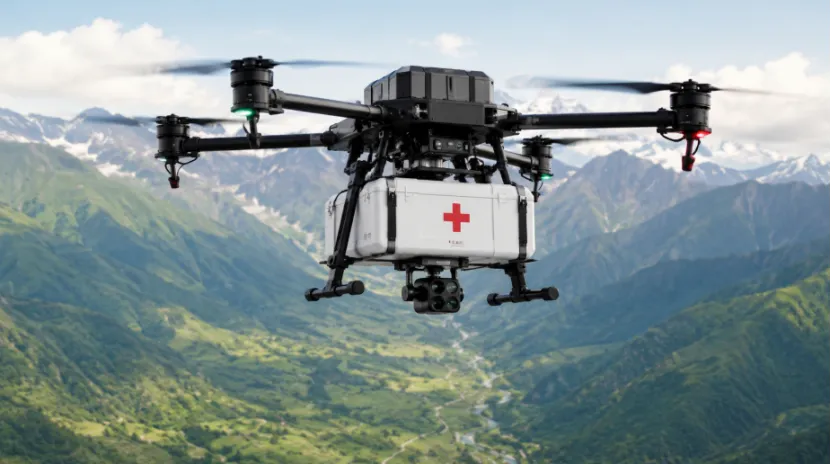
Drone batteries for medical delivery, emergency response, highway patrol and maritime monitoring need to do more than keep a drone in the air. They must help you finish the job safely, repeatably and with enough reserve power left for the messy parts of real field work.
A route may look simple on a screen, then wind, payload weight, landing delay or sea air changes the whole mission. That is why choosing an industrial drone battery should start with the job, not just the drone model.
Why Do Mission-Critical Drones Need More Than Standard UAV Batteries?
A standard UAV battery may work for light filming or short test flights. Critical missions are different. You may be carrying blood samples, emergency medicine, a thermal camera, a loudspeaker, or a dual-sensor gimbal. In these jobs, stable power output matters as much as long flight time.
Reliability Is a Safety Issue
In medical drone delivery, the package is not just cargo. It may be vaccines, lab samples, blood units or urgent medicine. If a medical drone delivery battery suffers mid-route power drop, the drone may still reach the site, but the safe landing window becomes too narrow. For a battery for medical transport drones, enough reserve for hover, approach, handoff and return is not optional.
Payload Changes the Power Demand
A search and rescue drone or patrol drone battery must handle more than smooth cruising. Heavy gear can force motors to pull high current during takeoff, climbing, wind correction and hovering. This is where a high energy density drone battery helps, because it gives more usable energy without adding too much dead weight.
How Do Batteries Support Medical Delivery and Emergency Response?
Medical and emergency missions often look calm in planning documents. In the field, they can be rushed, noisy and not so tidy. The battery has to keep up with that reality.
Medical Routes Need Stable Output
For medical drone delivery, the priority is repeatable flight, not just peak speed. A drone battery for long-distance delivery should support route stability, safe arrival and controlled handoff. Shengya Electronic’s application content also points out that medical payloads may include blood units, medicines, lab samples and vaccines, where reserve power and stable flight matter more than a flashy top-speed number.
Emergency Response Needs High Current
An emergency response drone battery faces fast takeoff, heavy payloads and sudden maneuvering. The battery may need to lift medical supplies, rescue kits, lights or thermal imaging equipment. If current output is weak, voltage sag can trigger warnings or forced landing. For this type of UAV battery for emergency response, high discharge capability is often more useful than a bigger but slower pack.
What Makes a Good Battery for Patrol and Maritime Monitoring?
Patrol and monitoring flights usually need time in the air. They also need predictable performance, because landing early can mean missing the moment that matters.
Highway Patrol Needs Long Endurance
A highway patrol mission may cover a long road section, watch a crash scene, check congestion or follow a moving incident. The patrol drone battery must support long flight time with cameras, heat sensors or speakers attached. Shengya Electronic’s highway patrol application page notes that wind, camera weight and cold weather can drain batteries faster than clean lab figures suggest.
Maritime Monitoring Needs Environmental Strength
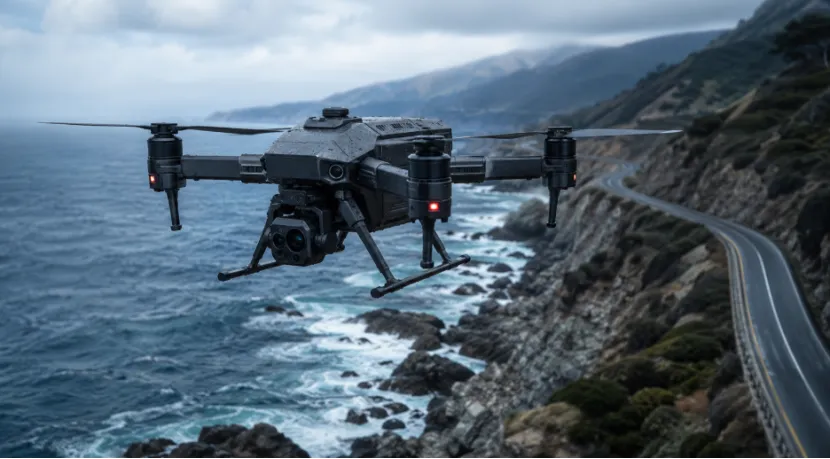
A maritime monitoring drone battery has to deal with wind, humidity, salt spray and long return distance. A coastal patrol drone may carry optical zoom and thermal imaging at night, then return against a sudden headwind. In maritime monitoring, battery safety protection, low internal resistance and strong casing design all matter. Nobody wants to fish an expensive drone out of rough water.
Which Battery Features Should You Check Before Buying?
Good battery selection is not mysterious. It starts with route length, payload weight, voltage platform, discharge needs, charging rhythm and supply plan.
Energy Density and Battery Structure
Shengya Electronic’s drone battery product range includes high energy density series such as 275 Wh/kg, 310 Wh/kg, 330 Wh/kg, 340 Wh/kg and other UAV battery options, with capacities and cell combinations including 6S, 7S, 12S, 14S and 18S models. This gives buyers more choices when matching a custom drone battery pack to route length, payload and aircraft layout.
BMS, Cycle Life and Charging
A smart BMS helps track voltage, temperature and state of charge. It also supports battery safety protection during charging and discharge. For fleet use, long cycle life matters because you may rotate many packs every day. A fast charging drone battery can help emergency teams, but charging must still match the cell design and charger rules. Rushing this part is how good packs get damaged early.
How Should You Choose a UAV Battery Supplier?
A capable UAV battery supplier should help you match the mission, not just sell a size. You need test data, battery pack customization, stable batches and real answers about voltage, connector, plug type and working environment.
Supplier Capability Matters
Shengya Electronic is positioned as a specialist in semi-solid and solid-state lithium-ion battery products for drone and industrial power use. Its website presents product categories built around high energy density, high safety and long cycle life, while its application pages cover logistics delivery, firefighting and rescue, industrial inspection and urban air mobility.
For buyers, the practical value is simple: you can discuss an industrial UAV battery solution around payload, route, discharge rate and bulk drone battery supply, instead of forcing one battery into every mission.
Bulk Supply Reduces Project Risk
Fleet-level battery supply matters when one pilot test becomes daily operation. You need the same drone battery pack quality across batches, clear labeling, repeatable discharge behavior and enough stock for rotation. For medical delivery, emergency response, highway patrol and maritime monitoring, a reliable drone battery manufacturer should make the battery plan feel boring. In this industry, boring often means safe.
FAQ
Q1: What Type of Battery Is Best for Medical Drone Delivery?
A: A medical drone delivery battery should have stable power output, high energy density, enough reserve capacity and smart BMS protection. It should fit the aircraft, route and payload instead of chasing only the longest advertised flight time.
Q2: Why Do Emergency Response Drones Need High-Rate Batteries?
A: Emergency drones often take off fast with heavy tools, rescue kits or sensors. A high-rate emergency response drone battery can reduce voltage sag during sudden current demand.
Q3: What Matters Most in a Patrol Drone Battery?
A: A patrol drone battery should provide predictable long flight time, stable discharge under camera payloads and safe return power. For highway patrol, wind and hovering time should be included in planning.
Q4: Is a Maritime Monitoring Drone Battery Different From a Normal UAV Battery?
A: Yes. A maritime monitoring drone battery should handle wind, humidity, salt air and heavier imaging payloads. Safety protection and stable output are very important near water.
Q5: What Should Buyers Check Before Bulk Drone Battery Supply?
A: Check voltage, capacity, discharge rate, connector type, smart BMS, cycle life, charging rules, batch consistency and battery pack customization options. A good drone battery solution provider should answer these clearly.


