
The Future of Autonomous Deliveries: High-Voltage Drone Batteries as the Missing Link
Drone deliveries happen every day now. Drones drop off food, medicine, and boxes in hard-to-reach spots. But the aircraft itself is rarely the main limit. The battery is the primary limiting factor in drone performance.It decides exactly how far the drone goes and how much weight it carries. This is why high-voltage drone batteries are getting so popular.
A higher voltage drops the current, which means less heat and lets cables work better. For operators, this brings longer trips and shorter charge times.
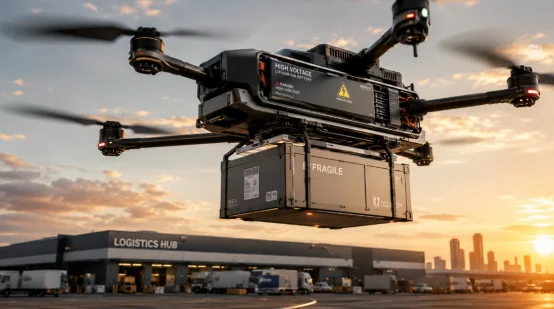
Why Are High-Voltage Drone Batteries Important for Autonomous Deliveries?
A delivery drone does much more than just take off and land. They require stable power output for climbing, hovering, and payload stabilization. Wind and cold weather make things much harder, eating up power fast.
Higher Voltage Can Improve System Efficiency
A high voltage lithium battery gives the drone power using less current. Lower current means less power is lost in wires and plugs. It also lets builders use thinner wires to save weight, making room for extra cargo.
But high voltage cannot fix everything. You still need good motors. The battery must fit perfectly with the full UAV power systems instead of as an isolated component.
More Usable Energy Supports Longer Routes
Flying farther requires real, usable energy. Battery energy density determines how much energy can be stored relative to weight. A smart high-voltage pack pushes out more power but keeps the drone light. With a better pack and motor, a drone can finish a trip in one single flight without stopping. These tiny wins add up fast when a company flies dozens of trips daily.
What Is Changing in Drone Battery Technology?
Modern drone battery technology is moving to smart, connected power units. Drone pilots want live data and clear battery health for all their machines.
From LiPo Drone Battery Packs to Smarter Battery Platforms
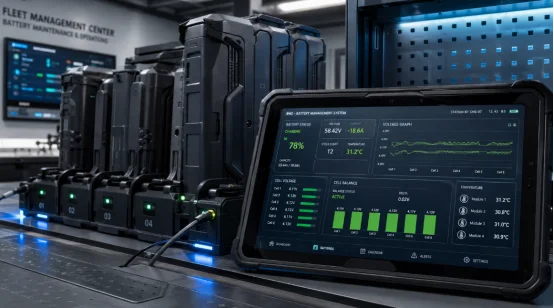
A LiPo drone battery packs a huge punch in a small size. Yet, delivery teams need to track how many times a battery was used. They want to check its temperature and balance. A smart drone battery provides real-time telemetry data. This helps workers pull bad batteries out early to prevent crashes.
Battery Management System (BMS) Becomes Central
A battery management system (BMS) acts like a safety shield. It checks each cell’s voltage and shuts the pack down if it gets too hot. For self-flying deliveries, computer programs use BMS data to plan charging times. They guess when a battery will finally die. This helps greatly when drones share the same battery pile.
Can Fast Charging Drone Batteries Keep Up With Fleet Demand?
Charging speed is a huge deal because a sitting drone makes zero money. The battery must charge up fast without ruining its total lifespan.
Fast Charging Must Be Balanced With Battery Life
Fast charging drone batteries gets drones back in the sky quickly. But pushing energy in too fast makes extra heat that hurts the pack. Smart companies mix their steps. They charge important packs fast during rush hour. Later, they charge other packs slowly to keep them totally healthy.
Charging Infrastructure Is Part of the Design
A high-voltage pack needs matching chargers and plugs. Stations must block broken batteries from flying again. When it is freezing, you might need to warm the battery first. In super hot places, cooling a battery takes time. These small facts often decide if a delivery business wins or fails.
How Do Safety and Thermal Management Affect Drone Battery Design?
Battery safety worries people before the drone even takes off. The battery must stay safe when it shakes, bumps, or faces bad weather.
Thermal Management Protects Performance
Thermal management keeps the battery at a happy temperature. It uses fans and sensors to pull heat away. A cool pack lowers the chance of losing power on a hard climb. Heat data also shows if a battery is getting old.
Mechanical Protection Matters Too
A strong battery box fights off dust and shaking. Tight plugs stop power from cutting out mid-flight. High voltage is highly efficient, but it needs extra thick coating and top-tier plugs to stay super safe.
What Should You Check Before Choosing a Battery for Drone Fleet Operations?
Start with your exact mission. Write down your cargo weight, flight time, and weather. Then compare battery choices against your true daily needs.
Match the Pack to the Aircraft
Check the voltage, weight, and plug shape. A battery will fail if it makes the drone lean sideways. You must also check what happens when power gets low. Drones always need backup power for bad wind or emergency landings, so you cannot just use up every drop.
Plan for Maintenance and Replacement
Find out how the battery counts its trips. Know which packs belong in the trash. For unique needs, Shengya Electronic offers great starting options. Their tools let you pick custom shapes, voltages, and safety features.
How Can Shengya Electronic Support the Next Stage of Drone Power?
A battery only works right if it fits the whole drone system. Shengya Electronic focuses on custom battery packs. They let you change the voltage, shape, and safety rules.
A hospital drone might need a battery for freezing air, while a factory drone wants a tough box. Shengya Electronic helps match the cells, BMS, and chargers perfectly to your setup.
FAQ
Q1: What Are High-Voltage Drone Batteries?
A: They are drone battery packs running at a higher voltage. They drop current, which lowers heat and wire weight.
Q2: Do High-Voltage Drone Batteries Always Provide Longer Flight Time?
A: No. Flight time also relies on battery energy density, drone weight, motors, and the local weather.
Q3: Are LiPo Drone Battery Packs Still Suitable for Delivery Drones?
A: Yes. They give high burst current. But you must also watch cycle life, cooling, and strict safety rules.
Q4: Why Is a Battery Management System (BMS) Important?
A: A BMS tracks cell voltage, heat, and charging status. It protects the pack and guides smart replacement plans.
Q5: What Is the Main Battery Safety Concern in Autonomous Deliveries?
A: Keeping steady power during high loads, hard shaking, and weird weather. Good cell choice and strong thermal management keep batteries perfectly safe.


