
Drone rules cover airspace, pilot licenses, and sign-ups. Yet, the battery is what actually keeps your aircraft in the sky. An underperforming battery can reduce flight time, trigger emergency landings, or in extreme cases, cause fire hazards. Because of this, drone battery regulations deeply shape how you plan your flights.
The aircraft, battery system, and mission profile should be treated as an integrated system. Drone regulations vary by country, while lithium battery transport standards are typically governed by airline groups.
Why Are Drone Batteries Important for Regulatory Compliance?
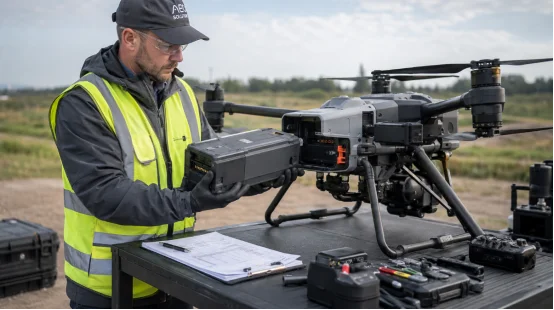
Drone battery safety means much more than just a long flight time. Sudden battery voltage drops can reduce motor output when lifting heavy loads. Extra heat makes the battery resist power flow. A broken cell can puff up, leak gas, or cause a bad drone battery thermal runaway. Battery fire risk is a critical safety concern when you fly over roads or buildings.
For proper drone battery compliance, use safe and tested models. Always keep some reserve power, set a loud drone low battery warning, and double-check your drone return-to-home battery setting. If the numbers on your screen look strange, follow your drone battery emergency procedures right away.
What Types of Batteries Are Commonly Used in Drones?
Battery chemistry determines charging protocols, storage conditions, and inspection requirements. Match the battery to your flying machine, total weight, and the outside weather.
Lithium Polymer Batteries for Drones
Many lithium batteries for drones are actually lithium polymer batteries for drones. They provide high discharge rates with relatively low weight.A LiPo drone battery fits racing and camera drones perfectly. Any swollen or damaged battery should be removed from operation immediately.
Lithium-Ion Batteries for Drones
Lithium-ion batteries for drones enable longer flight endurance. A good drone battery management system, or UAV battery management system, is very helpful here. It safely watches the drone battery voltage, power flow, and heat levels.
Smart Drone Batteries
A smart drone battery does all the hard thinking for you. It shares the lithium battery state of charge and the drone battery cycle count. It also gives drone battery temperature monitoring data and error codes. This makes drone battery management much easier.
What Are the Main Drone Battery Regulations?
The rules depend on your job. Recreational operations generally have fewer regulatory requirements, but commercial or industrial operations require additional approvals and compliance procedures. The battery is always part of staying safe.
Aviation Authority Requirements
Aviation authorities establish regulations about pilot training and flying heights. UAV battery regulations might limit the types of batteries you can use. They also ask you to plan emergency landing spots.
Battery Requirements for Drone Operation
Always use the right voltage and plugs. Your drone battery capacity must handle the path, wind, and backup power. If it is freezing outside, your drone battery operating temperature will drop and cut your power. Check drone battery flight restrictions before flying in bad weather.
How Should You Transport Drone Batteries?
Transporting lithium batteries requires strict compliance with safety regulations. Improperly packed batteries may be restricted by airlines if you pack it wrong.
Drone Battery Transport Rules for Air Travel
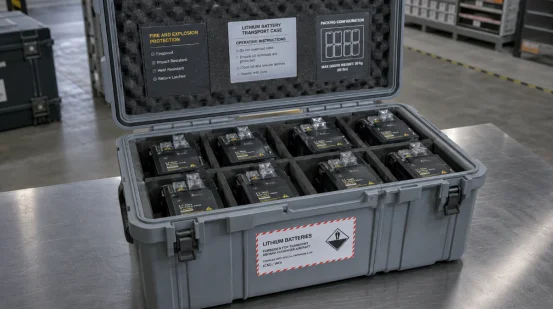
Lithium drone batteries are classified as dangerous goods in air transport. Airlines may verify watt-hour ratings, terminal protection, and packaging compliance.Always read the drone battery airline rules first. Drone batteries in carry-on baggage have different rules than drone batteries in checked baggage. Never pack a puffy battery.
Drone Battery Shipping Regulations
Sending batteries for business needs special lithium battery transport regulations. You might need lithium battery transport by air papers, UN 38.3 testing, and a dangerous goods form. You must follow strict lithium battery packaging requirements and lithium battery labeling requirements. Big rule books like IATA Dangerous Goods Regulations and ICAO lithium battery regulations apply here.
What Is UN 38.3 Testing for Drone Batteries?
UN 38.3 testing checks if a lithium battery can handle a rough trip. The test pushes the battery through high air levels, crazy heat, shaking, and short circuits. Getting a UN 38.3 certification means it is safe to ship, but it does not replace your local drone rules.
How Should You Charge Drone Batteries Safely?
Bad charging habits cause sad accidents. Establish standardized charging procedures and follow them consistently every single day.
Drone Battery Charging Safety
Pick a charger that fits the battery type perfectly. Balance charging is a big deal for LiPo packs. Always charge on a safe table. Do not leave batteries unattended during charging from a drone battery charging station while it runs. Stop right away if the pack feels hot or puffed out.
What Are the Drone Battery Storage Requirements?
Good drone battery storage requirements say to keep them cool, dry, and away from metal. Follow the drone battery storage temperature rules. Leaving a battery 100% full for a long time will accelerate battery degradation.
How Should You Store a Damaged or Swollen Drone Battery?
Never charge or mail a puffy drone battery. Keep it far away from your good batteries. Read up on your town’s drone battery disposal and drone battery recycling rules to get rid of it safely.
How Do Battery Conditions Affect Drone Flight Safety?
A pack might look totally fine on a desk but lose power super fast in the sky. A good drone pre-flight battery check must look at the physical pack and the live computer numbers.
Drone Battery Inspection Checklist
·Make sure the battery is pushed in and locked tight.
·Inspect for swelling, leakage, or physical damage.
·Check the cell balance and charge count.
·Make sure the power left over covers your whole trip.
·Test your drone low battery warning and return-to-home settings.
·Keep your extra batteries covered safely.
What Should Drone Operators Record?
Write down drone battery maintenance records for every pack. Note the serial number, size, and any error codes. This clearly helps with drone battery traceability if something breaks later.
What Are the Common Problems With Drone Battery Compliance?
Pilots often mess up by using the wrong charger or flying with a puffy pack. Many people forget that airplane rules change based on the battery size. Always call the airline before you drive to the airport.
How Can a Battery Supplier Support Drone Compliance?
A qualified drone battery manufacturer should provide technical consultation on chemistry, connectors, and thermal management. about inside chemicals, plugs, and heat blocks. Ask them for drone battery testing, drone battery certification, drone battery quality control, and drone battery design papers. Getting a custom drone battery or custom UAV battery pack design easily fixes small battery spaces.
For example, Shengya Electronic makes a high-energy-density drone battery series going from 190 Wh/kg to 350 Wh/kg. This includes a 190 Wh/kg high rate 25C series. Their product portfolio includes battery packs from 10,000 mAh to 78,000 mAh in 4S to 18S shapes. These fit long-endurance drone battery jobs and big industrial UAV battery builds. Check their drone battery product page and company website for more details.
FAQ
Q1: Are drone batteries regulated as dangerous goods?
A: Yes, many lithium drone batteries are treated as dangerous goods on airplanes.
Q2: Can you put drone batteries in checked baggage?
A: Usually, you must put extra lithium batteries in your carry-on bags only.
Q3: What is the safest drone battery storage charge?
A: Do what the battery maker says. Do not leave rechargeable lithium batteries totally full for long periods.
Q4: When should you replace a drone battery?
A: Replace the battery if it shows swelling, super hot, or loses power fast.
Q5: Do drone batteries need UN 38.3 certification?
A: Yes. Lithium batteries usually must pass this test before you can mail them to other countries.


