
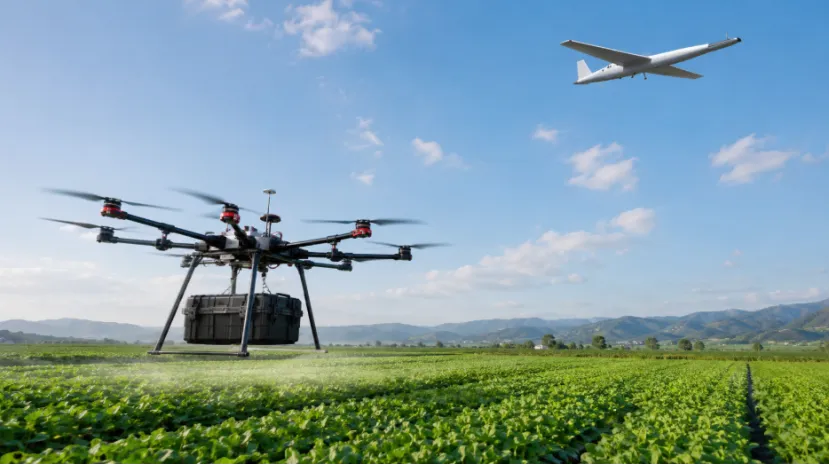
High rate vs high energy density drone batteries is not a small spec debate. It decides whether your UAV can lift a heavy load, finish a route, return with reserve, or keep working after several flights in one day.
A 25C high rate battery and a high energy density drone battery solve different problems. One is built for strong power output. The other is built for longer drone flight time with better weight control. If you choose only by capacity, you may get a pack that looks good on paper but feels wrong in the field. That happens more often than buyers like to admit.
What Is a High Rate Drone Battery?
A high rate drone battery is made for missions that need strong current, fast response, and stable power under load. You should look at this type first when your aircraft has heavy takeoff demand or repeated acceleration.
Drone Battery C Rating Shows Output Strength
Drone battery C rating tells you how much current a pack can release compared with its capacity. Drone battery discharge rate is not just an engineer’s detail. It affects takeoff, climbing, turning, payload lift, and voltage sag. A 25C high rate battery is usually a better fit when instant power for UAV takeoff matters more than the longest possible flight time.
Where It Works Better
A high rate drone battery for agricultural UAV projects is practical because spraying drones carry liquid, fly low, and change speed often. A heavy-lift drone battery also needs strong current during takeoff and wind correction. For rescue UAVs, quick launch matters. Nobody wants a drone that hesitates when carrying lighting, a speaker, or emergency supplies.
What Is a High Energy Density Drone Battery?
A high energy density drone battery stores more usable energy for its weight or size. This matters when the mission is about distance, coverage, and stable flight rather than sudden burst power.
Drone Battery Energy Density Supports Longer Routes
Drone battery energy density is closely tied to weight control. A high energy density battery for long-endurance drones can help you fly farther without adding too much battery weight. This is why energy density matters for UAV flight time, especially in mapping, inspection, monitoring, and patrol work.
Where It Works Better
For route-based work, a long-endurance drone battery often gives better value. Mapping drones need steady power for planned flight lines. Inspection drones need enough time to check power lines, pipelines, solar farms, or towers. A lighter pack also leaves more room for cameras, sensors, or LiDAR.
What Tradeoffs Should Buyers Know?
There is no magic battery that gives every advantage at once. The right commercial drone battery depends on what your aircraft must do most often, not what sounds stronger in a catalog.
25C Drone Battery vs High Energy Density Battery
25C drone battery vs high energy density battery is really a question of mission load. High rate packs support stronger discharge, but they may not give the best endurance per kilogram. High energy density packs can help flight time, but they may not suit heavy current peaks. If your UAV needs high lift and the battery cannot hold voltage, voltage sag may trigger early warnings.
Heat, Cycle Life, and Safety Still Matter
UAV battery performance also depends on heat, charging routine, connector quality, and pack consistency. A battery that runs hot may age faster. A battery with a weak connector may cause field trouble. Small things, yes, but they can ruin a workday.
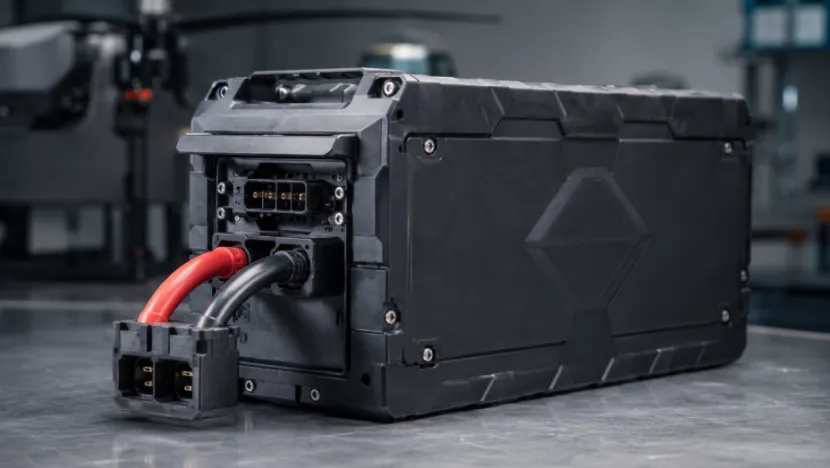
How Should You Choose the Right Drone Battery for Your Mission?
How to choose the right drone battery for your mission starts with the task. Before you buy, check the payload, target flight time, peak current, average current, voltage platform, charger, connector, and working temperature.
Match the Battery to the Job
Choose a 25C high rate battery for agricultural spraying, cargo lift, rescue, and frequent takeoff. Choose a high energy density drone battery for mapping, patrol, inspection, and long route coverage. For UAV battery selection, do not judge by mAh alone. Compare C rating, Wh/kg, pack weight, voltage, and real test data.
Test with Real Payload
A bench number is useful, but the aircraft tells the truth. Test with the same payload, route, wind, and takeoff weight you expect in daily use. For a buyer managing several aircraft, this step saves money later.
How Does Shengya Electronic Support Different UAV Missions?
Shengya Electronic focuses on industrial UAV battery needs where flight time, output, weight, and platform fit all matter. Its product range includes a 190Wh/kg high rate 25C series for power-demanding work, plus 270Wh/kg high voltage 4.35V, 275Wh/kg, 310Wh/kg, 330Wh/kg, 340Wh/kg, and 350Wh/kg high energy density series for longer endurance tasks.
The lineup covers 6S, 7S, 12S, 14S, and 18S choices, giving UAV builders and fleet buyers more room to match motors, ESCs, payloads, and mission time.
For Power-Demanding Tasks
Agricultural crop protection, logistics delivery, and firefighting rescue often need strong current and safe lift under load. In these jobs, high discharge ability can matter more than a few extra minutes.
For Endurance-Based Tasks
Industrial inspection, patrol, mapping, and monitoring need stable flight and clean weight control. A long-endurance drone battery with higher energy density can help your team cover more area per flight. You can also review more company information on the Shengya Electronic official website.
Which One Fits Your Mission?
High rate vs high energy density drone batteries should not be treated as “better or worse.” A 25C high rate battery fits high-current work. A high energy density drone battery fits long-endurance work. The best drone battery for heavy-lift takeoff is not always the best drone battery for mapping and inspection.
Choose by mission first. Then check weight, C rating, voltage, safety margin, and field test results. That simple order usually avoids expensive mistakes.
FAQ
Q1: Is a 25C High Rate Battery Better Than a High Energy Density Drone Battery?
A: Not always. A 25C high rate battery is better for high-current tasks, while a high energy density drone battery is better for longer flight routes.
Q2: Why Does Drone Battery C Rating Matter?
A: Drone battery C rating shows discharge ability. It matters for takeoff, climbing, acceleration, heavy payloads, and voltage sag control.
Q3: Why Does Drone Battery Energy Density Matter for Flight Time?
A: Drone battery energy density affects how much energy the UAV carries for its weight. Higher density can support longer drone flight time.
Q4: Which Battery Is Better for Agricultural Drones?
A: An agricultural drone battery usually needs strong discharge performance, so a high rate drone battery for agricultural UAV work is often more suitable.
Q5: Which Battery Is Better for Mapping and Inspection Drones?
A: The best drone battery for mapping and inspection is usually a high energy density battery for long-endurance drones, because route coverage and weight control matter more.


