
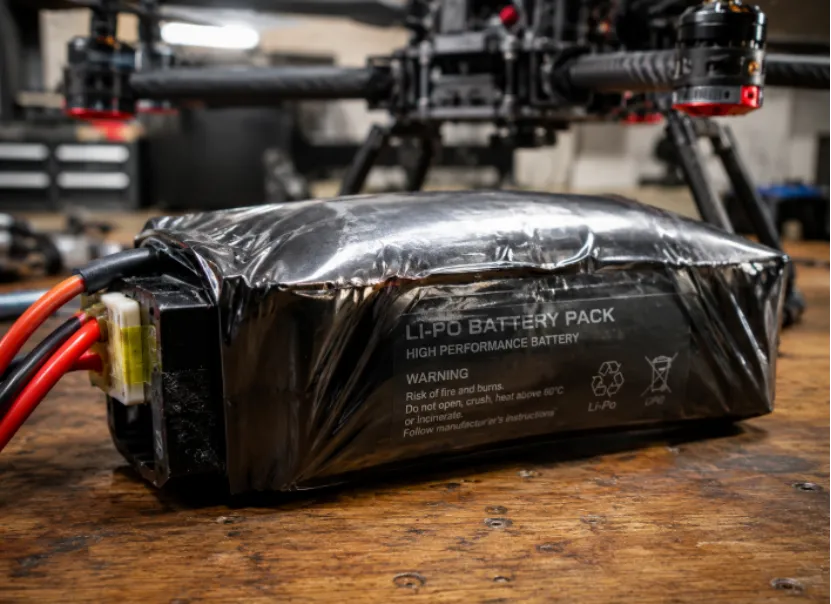
A Swollen lipo battery is a clear sign that a drone battery is unsafe. For drone flyers, swelling is not just a cosmetic issue. It means gas has formed inside the pouch cell. This occurs when the electrolyte inside the cell begins to decompose and generate gas.
Heat, bad crashes, old age, or flying too hard can cause this. This matters a lot for drones. The battery sits right next to the main computer and wires. Proper lithium battery safety practices ensure stable flight performance, reduce operational risk, and extend battery lifespan.
What Is a Swollen LiPo Battery in Drone Applications?
Drones often use soft pouch lithium packs. These batteries offer high energy density in a compact form factor. But that soft shell makes swelling easy to spot. A flat pack puffs up. The battery may appear bloated or deformed. It might even feel soft when you push it. Operating a drone with a swollen battery significantly increases the risk of failure or fire.
Swelling Means Gas Has Formed Inside the Cell
A swollen LiPo battery indicates gas accumulation inside the cell due to chemical breakdown. This gas comes from bad chemical reactions. High operating temperatures or over-discharge conditions makes the inside liquids break down faster. Once the gas forms, the pouch puffs up. It simply has nowhere else to go.
Why Drone Batteries Face Higher Stress
Drone batteries do hard work. Unlike low-drain devices, drone batteries must deliver high burst currents for takeoffs, fast climbs, and compensating for wind resistance. Big farming or mapping drones pull a lot of power all at once. A tiny power drop might look fine on a desk. But up in the air, it can lead to flight instability or system failure.
Why Do Drone LiPo Batteries Swell?
Battery swelling is typically caused by a combination of stress factors rather than a single failure point. Usually, it happens after improper usage patterns. Flying the battery too low or charging it while it is hot causes stress. Storing it fully charged is also bad. A team might only notice the problem when flights get shorter. Or when the pack stops laying flat.
Over-Discharge During Flight
Operating a drone until noticeable power loss occurs indicates excessive discharge.It is already too late. Draining the battery too much hurts the inside parts. This accelerates internal degradation and gas generation over time. To prevent drone battery swelling, set your alarms early. Always leave extra power to fly back and land safely.
Heat Build-Up From High Current
Fast climbs and strong winds make the battery work extra hard. This leads to internal heat accumulation within the battery pack.If the battery is low-quality or improperly rated, it gets even hotter. Using the right battery size for your drone helps stop this.
Crash Damage and Vibration
Mechanical impact or excessive compression from mounting systems can hurt the cell layers. The battery might still turn on just fine. But later, it will start to puff up after you charge it. Always mark damaged packs and stop using them.
How to Prevent Drone Battery Swelling?
Proper operational practices are essential. But the battery also needs a smart design from day one. People often just look at capacity. However, how fast it drains, how it handles heat, and the BMS settings all change how safe it stays.
Set Practical Flight Limits
The best way to prevent drone battery swelling is to stop flying before the battery is empty. Watch each cell’s voltage. Do not just watch the whole pack. Heavy drones need a bigger safety net. The power can drop super fast right at the end of a flight.
Cool Packs Before Charging
Never charge a battery immediately after flight while it is still hot.Let it sit. Teams should keep hot batteries away from the charging station until they cool down. It sounds simple, but it stops a lot of silly mistakes.
Store Packs at Proper Voltage
Do not leave packs fully charged for days. Discharge batteries to the recommended storage voltage level. This stops chemical stress while the batteries wait for their next job.
How Materials and BMS Design Improve Lithium Battery Safety?
How you fly is only half the story. The factory parts, materials, and smart chips decide how tough a battery really is. Buyers should evaluate performance beyond nominal specifications on the front.
Premium Cells Reduce Internal Stress
Good materials mean better lithium battery safety. A nice pack handles heat and old age much better. Shengya Electronic is a professional UAV battery manufacturer specializing in semi-solid and solid-state lithium-ion battery solutions. Their product portfolio includes high energy density options from the 190Wh/kg high-rate series to the 350Wh/kg series. They offer 6S, 7S, 12S, 13S, 14S, and other pack layouts. These fit drone projects that need long flights, heavy lifting, or steady power.
Factory Assembly Affects Swelling Risk
To prevent drone battery swelling, the factory must maintain strict manufacturing and quality control standards. Wire routing, welding, and aging tests all matter a ton. A tiny hot spot on a bad wire can grow into a huge fire risk over time.
Smart BMS Reduces Abuse Conditions
A smart BMS cannot magically fix a broken pack. But it will boost lithium battery safety. It tracks heat, power flow, and bad charges. This helps drone teams know exactly when to throw an old pack away.
What Should You Do With a Swollen Lipo Battery?
When you see puffing, treat the battery as dangerous. Do not attempt further use once swelling is detected. A Swollen lipo battery can behave unpredictably and pose safety risks while charging or flying.
Stop Flying and Charging
Take the pack out of service right away. Never charge it again. Keep it far away from chargers, paper, tools, and the drone itself.
Isolate It Safely
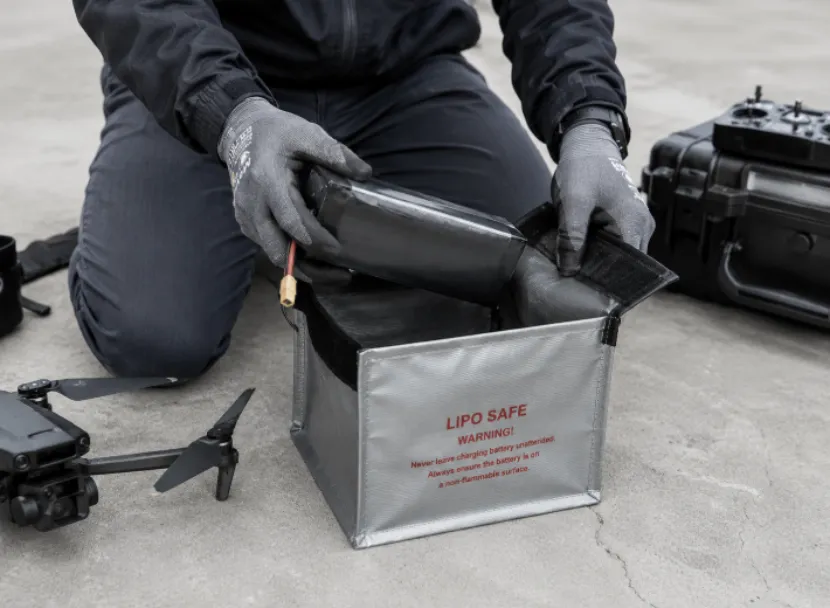
Put the pack in a fire-proof bag or a metal bucket. Leave it in a well-ventilated area away from flammable materials. Do not poke, bend, or squeeze it. Throw it away using safe local battery recycling rules.
Why Should Drone Buyers Care Before Purchase?
Battery swelling increases operational costs and safety risks. For drone brands, it causes angry buyers. For pilots, it cancels work days and destroys expensive gear without warning.
Match the Battery to the Mission
Shengya Electronic was founded in 2017 in Taixing, Jiangsu. They work with high-energy-density UAV battery packs. These are used for mapping, farming, delivery, and rescue. Buyers can pick the right voltage platform, capacity, plug type, outlet position, and custom battery layout. This level of engineering support is critical for optimizing UAV performance, safety, and total lifecycle cost. Weight, runtime, and safety reserve must all work together perfectly in a real aircraft.
FAQ
Q1: Can You Still Fly With a Slightly Swollen Lipo Battery?
A: No. A swollen LiPo battery indicates internal gas buildup and must be removed from service immediately.
Q2: How Can You Prevent Drone Battery Swelling in Daily Use?
A: To prevent drone battery swelling, do not drain them to zero. Cool them down before charging. Store them at the right voltage.
Q3: Does a BMS Improve Lithium Battery Safety?
A: Yes. A smart BMS helps lithium battery safety. It watches out for bad heat, overcharging, and cell balance problems.
Q4: Why Do Drone Batteries Swell Faster Than Expected?
A: Bad habits cause this. Heavy lifting, flying too fast, charging hot packs, and rough crashes all cause puffing.
Q5: How Should Drone Teams Dispose of Swollen Batteries?
A: Stop using it. Put it in a fire-proof spot. Do not poke it. Give it to a safe local battery recycling center.


